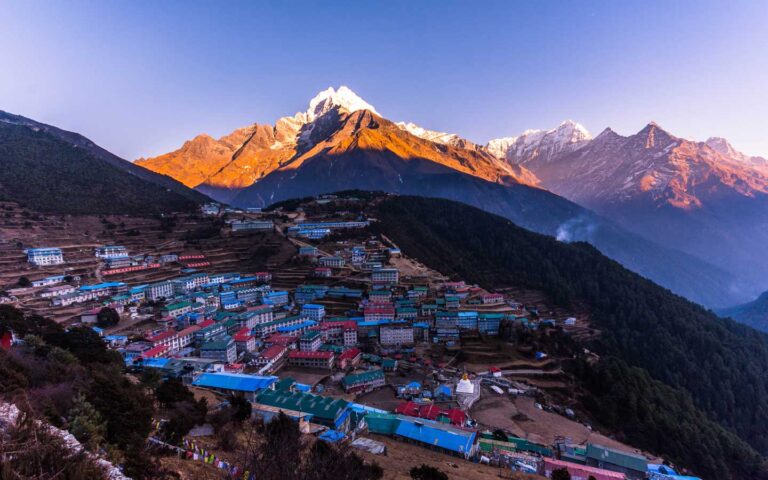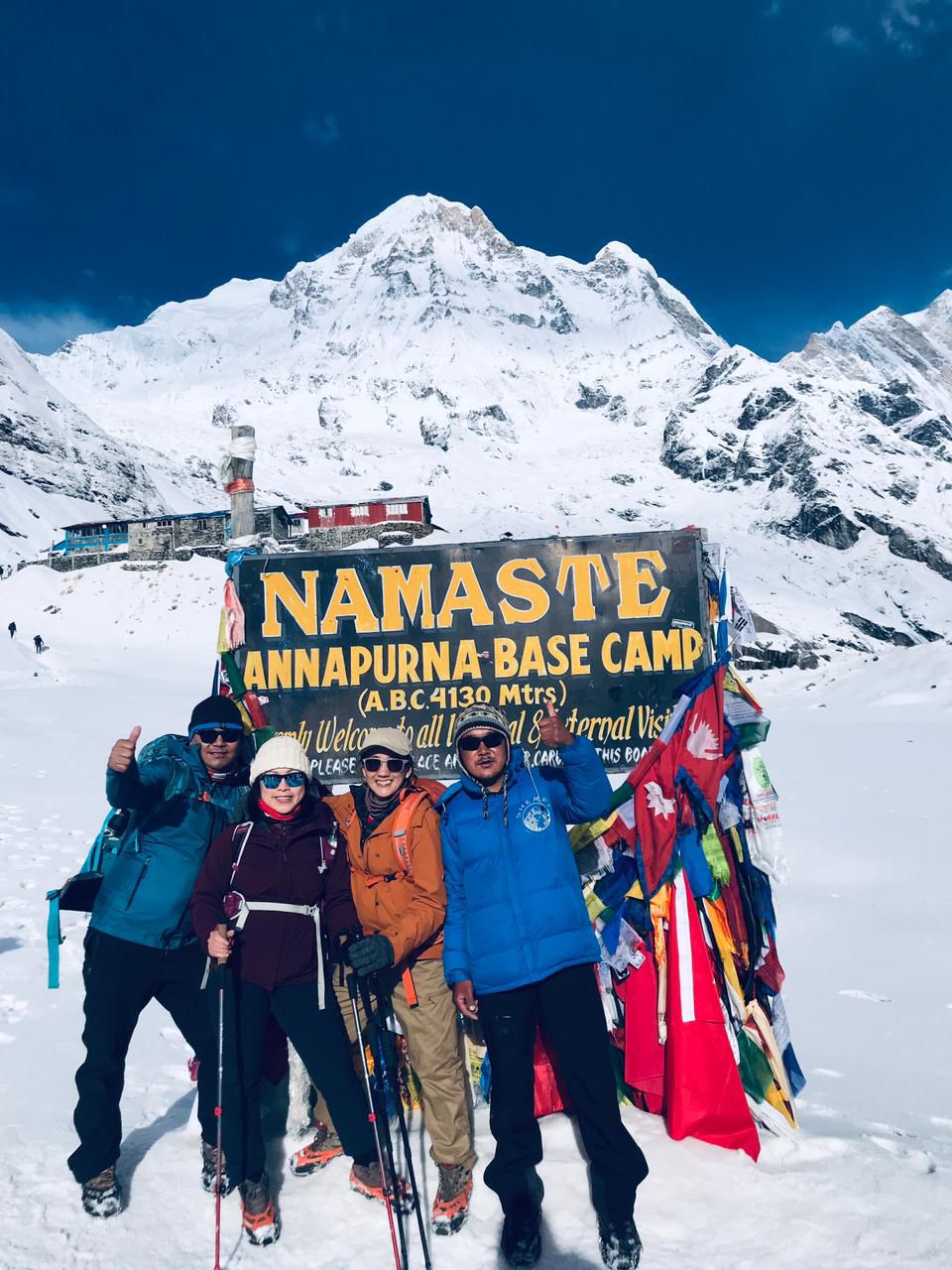
Ultimate Guide to the Annapurna Base Camp Trek: An Unforgettable Himalayan Adventure
Ultimate Guide to the Annapurna Base Camp Trek: An Unforgettable Himalayan Adventure

Welcome to the Ultimate Guide to the Annapurna Base Camp (ABC) Trek! Nestled in the heart of the Himalayas, the ABC trek is a dream journey for adventurers and nature enthusiasts. This trek offers a unique blend of breathtaking landscapes, diverse cultures, and a sense of accomplishment as you stand before the majestic Annapurna Massif. Whether you’re a seasoned trekker or a beginner, this guide will provide you with all the information you need for an unforgettable adventure.
Why Choose the Annapurna Base Camp Trek?
The Annapurna base camp (ABC) trek is a celebrated journey that draws trekkers from around the world for its exceptional experiences. Here’s why the Annapurna Base Camp trek is so special:
1. Stunning Natural Beauty
- Diverse Landscapes: The trek offers a rich variety of landscapes, from lush rhododendron forests and terraced fields to alpine meadows and glacial moraines.
- Majestic Peaks: You’ll be surrounded by some of the world’s highest peaks, including Annapurna I, Annapurna South, Machapuchare (Fishtail), and Hiunchuli. The views are particularly spectacular at the base camp itself, where the mountains form a dramatic amphitheater.
2. Unique Cultural Experience

- Local Villages: The trek passes through traditional Gurung and Magar villages, where you can experience the local culture and hospitality. The vibrant festivals, local customs, and traditional lifestyles add a rich cultural layer to your trek.
- Traditional Teahouses: Staying in teahouses allows for interaction with local families and gives insight into their daily lives and traditions.
3. Moderate Difficulty
- Accessibility: The trek is considered moderate in difficulty, making it accessible for those with a reasonable level of fitness and some trekking experience. It’s an ideal choice for trekkers who want to experience the Himalayas without the extreme challenges of more demanding treks.
- Altitude: The maximum altitude of 4,130 meters (13,550 feet) at the base camp is high but generally manageable with proper acclimatization. The gradual ascent helps reduce the risk of altitude sickness.
4. Scenic Variety
- Changing Environments: The trek takes you through a range of environments, from subtropical forests at lower elevations to the icy landscapes at the base camp. Each day brings new and stunning scenery.
- Sunrise Views: The sunrise view from Poon Hill, which is often included in the trek, provides panoramic views of the Annapurna and Dhaulagiri ranges, making it a highlight of the trek.
5. Well-Developed Infrastructure
- Teahouse System: The well-established network of teahouses along the trail provides comfortable accommodation and meals, making the trek manageable and enjoyable.
- Accessible Route: The trek starts from Pokhara, a popular and accessible gateway for trekkers. The route is well-marked and supported by experienced guides and porters if needed.
6. Opportunities for Adventure
- Trekking and Hiking: The trek itself offers a rewarding hiking experience with diverse terrain and stunning views. It’s an opportunity to challenge yourself while enjoying the natural beauty of the Himalayas.
- Photography: The trek is a photographer’s paradise, with countless opportunities to capture breathtaking landscapes, cultural scenes, and wildlife.
7. Environmental and Conservation Awareness
- Annapurna Conservation Area: The trek is part of the Annapurna Conservation Area, which is dedicated to preserving the natural environment and promoting sustainable tourism. By trekking here, you contribute to conservation efforts and the local economy.
8. Personal Growth and Fulfillment
- Achievement: Reaching Annapurna Base Camp is a significant achievement, providing a sense of accomplishment and personal growth.
- Connection with Nature: The trek offers a profound connection with nature, allowing you to experience the Himalayas in a deeply immersive way.
Conclusion
The Annapurna Base Camp trek is a blend of breathtaking natural beauty, rich cultural experiences, and manageable trekking challenges. Its diverse landscapes, stunning mountain views, and welcoming local communities make it a standout choice for those seeking an unforgettable Himalayan adventure. Whether you’re an experienced trekker or a beginner, the ABC trek offers an experience that’s both rewarding and memorable.
Best Time to Trek to Annapurna Base Camp
Choosing the right time to trek is crucial for a successful journey. The best seasons for the ABC trek are:
- Spring (March to May): Enjoy blooming rhododendrons and mild temperatures. This is also a popular time for trekking, so expect some crowds.
- Autumn (September to November): Experience clear skies and stable weather conditions. This is considered the best time for trekking, offering stunning mountain views.
Annapurna Base Camp Trekking Route and Map
 The Annapurna base camp (ABC) trek is one of the most popular trekking routes in Nepal, offering stunning views of the Annapurna range and a rich cultural experience. Here’s a detailed outline of the trekking route, along with an overview of the map.
Trekking Route Overview
Day 1: Kathmandu to Pokhara
- Distance: Approximately 200 km
- Duration: 6-8 hours by tourist bus
- Highlights: Scenic drive through Nepal’s countryside, overnight stay in Pokhara
Day 2: Pokhara to Nayapul, trek to Tikhedhunga/Ulleri
- Distance: 42 km drive, 9 km trek
- Duration: 1.5-hour drive, 4-5 hours trek
- Highlights: Trek through terraced fields and traditional villages
Day 3: Tikhedhunga/Ulleri to Ghorepani
- Distance: 12 km
- Duration: 6-7 hours
- Highlights: Ascend through rhododendron forests, panoramic views of Annapurna and Dhaulagiri
Day 4: Ghorepani to Tadapani via Poon Hill
- Distance: 10 km
- Duration: 5-6 hours
- Highlights: Early morning hike to Poon Hill for sunrise views, trek through forests to Tadapani
Day 5: Tadapani to Chhomrong
- Distance: 10 km
- Duration: 5-6 hours
- Highlights: Descend through forests, cross suspension bridges, views of Machapuchare
Day 6: Chhomrong to Dovan
- Distance: 16 km
- Duration: 6-7 hours
- Highlights: Trek through bamboo and rhododendron forests, reach Dovan
Day 7: Dovan to Deurali
- Distance: 9 km
- Duration: 4-5 hours
- Highlights: Trek along Modi Khola River, beautiful waterfalls and cliffs
Day 8: Deurali to Annapurna Base Camp via Machapuchare Base Camp
- Distance: 10 km
- Duration: 5-6 hours
- Highlights: Trek through alpine meadows, reach Machapuchare Base Camp (3,700m) and then Annapurna Base Camp (4,130m)
Day 9: Annapurna Base Camp to Bamboo
- Distance: 25 km
- Duration: 7-8 hours
- Highlights: Descend back through Deurali and Dovan to Bamboo
Day 10: Bamboo to Jhinu Danda
- Distance: 15 km
- Duration: 6-7 hours
- Highlights: Continue descending, enjoy the hot springs at Jhinu Danda
Day 11: Jhinu Danda to Nayapul, drive to Pokhara
- Distance: 10 km trek, 42 km drive
- Duration: 3-4 hours trek, 1.5-hour drive
- Highlights: Final trek through villages and terraced fields, return to Pokhara
Day 12: Pokhara to Kathmandu
- Distance: Approximately 200 km
- Duration: 6-8 hours by tourist bus
- Highlights: Scenic drive back to Kathmandu, concluding the trek
Permits and Regulations

To trek to Annapurna Base Camp, you’ll need the following permits:
- TIMS (Trekkers’ Information Management System) Card: Obtainable in Kathmandu or Pokhara.
- Annapurna Conservation Area Permit (ACAP): Also obtainable in Kathmandu or Pokhara.
Make sure to carry these permits with you at all times during the trek.
Preparation and Packing List

Proper preparation is key to a successful trek. Here’s what you need to do:
Physical Preparation:
- Engage in regular cardio exercises, strength training, and hiking.
- Acclimatize by spending time at high altitudes if possible.
Packing List:
- Clothing: Layered clothing, including thermal wear, fleece jackets, waterproof jackets, trekking pants, and a hat.
- Footwear: Sturdy trekking boots, trekking socks, and gaiters.
- Gear: Trekking poles, sleeping bag, backpack, water bottle, headlamp, and sunglasses.
- Essentials: First-aid kit, toiletries, snacks, and a camera.
Food Options on the Annapurna Base Camp Trek
Food on the Annapurna base camp (ABC) trek is diverse and designed to cater to both local and international tastes. Most teahouses along the trail offer a range of dishes that are both nourishing and energizing, essential for trekkers. Here’s an overview of what you can expect:
1. Traditional Nepali Dishes
- Dal Bhat: A staple meal consisting of lentil soup (dal), rice (bhat), vegetables, and sometimes meat. It’s hearty and provides excellent energy for trekking.
- Momo: Nepali dumplings filled with vegetables, meat, or cheese, served with a spicy dipping sauce.
- Thukpa: A noodle soup with vegetables and meat, perfect for colder days.
- Gundruk: Fermented leafy greens often served with rice or in soups.
- Dhido: A traditional dish made from buckwheat or millet flour, served with gundruk, spinach, or meat.
2. International Dishes
- Pasta: Various pasta dishes with tomato, cheese, or meat sauces.
- Pizza: Simple pizzas with toppings like cheese, vegetables, and sometimes meat.
- Pancakes: Popular breakfast choice, often served with honey or jam.
- Omelettes: Made with eggs and filled with vegetables, cheese, or meat.
- Bread and Toast: Served with butter, jam, honey, or eggs.
- Fried Rice: Rice stir-fried with vegetables, eggs, and sometimes meat.
3. Snacks and Drinks
- Energy Bars: Available at some teahouses or brought from home for quick energy boosts.
- Fruit: Fresh fruit like apples and bananas are available in some places.
- Tea: A variety of teas including black tea, milk tea (chai), ginger tea, and lemon tea.
- Coffee: Instant coffee is commonly available, with some teahouses offering brewed coffee.
- Hot Chocolate: A warm and comforting drink after a long day’s trek.
- Soft Drinks and Juices: Available in most teahouses, though prices increase with altitude.
4. Breakfast Options
- Porridge: A popular choice, often made with oats and served with honey or sugar.
- Tibetan Bread: A deep-fried bread, sometimes served with honey or jam.
- Egg Dishes: Boiled, scrambled, or fried eggs.
5. Hydration
- Water: Safe drinking water is essential. You can buy bottled water, but it’s recommended to use water purification tablets or a filter to minimize plastic waste.
- Electrolyte Drinks: Powdered electrolyte mixes are great for staying hydrated and replenishing salts.
Accommodation on the Annapurna Base Camp Trek

Accommodation on the Annapurna base camp (ABC) trek primarily consists of teahouses, which are basic lodges that offer essential amenities for trekkers. Here’s an overview of what to expect regarding accommodation:
1. Teahouses
Facilities:
- Rooms: Simple twin-sharing rooms with basic bedding (mattress, pillow, blanket). Some teahouses may provide additional blankets upon request, but it’s advisable to bring your own sleeping bag for warmth.
- Bathrooms: Shared bathrooms with basic toilet facilities. Western-style toilets are becoming more common, but squat toilets can also be found. Hot showers are available in many teahouses, though there is often an extra charge.
- Dining Areas: Communal dining areas where trekkers can eat, relax, and socialize. These areas are usually heated by a central stove, providing a warm space to gather in the evenings.
- Electricity and Charging: Most teahouses have electricity and offer charging facilities for electronic devices, but this may come at an additional cost. Solar power is common, and availability can vary depending on the weather.
- Wi-Fi: Some teahouses offer Wi-Fi, but it can be slow and unreliable. There is usually a charge for using it.
Quality and Availability:
- Lower Elevations: Teahouses at lower elevations, such as in Ghorepani or Chhomrong, tend to be more comfortable and offer better facilities, including more reliable hot showers and Wi-Fi.
- Higher Elevations: As you ascend to higher elevations, such as Deurali and Annapurna Base Camp itself, the teahouses become more basic. Facilities like hot showers and Wi-Fi become scarcer, and rooms may be smaller and less insulated.
Cost:
- Room Rates: Room rates vary depending on the altitude and season. On average, expect to pay between USD 2 to USD 10 per night for a basic room. Prices can be higher during peak trekking seasons (spring and autumn).
- Meals: Meals are generally not included in the room rate. You can expect to pay between USD 5 to USD 10 for meals, with prices increasing as you go higher up the trail.
2. Booking and Availability
- Peak Seasons: During peak trekking seasons (March to May and September to November), teahouses can fill up quickly. It’s advisable to arrive at your destination early in the afternoon to secure a room. Some trekking agencies or guides can also make advance bookings.
- Off-Peak Seasons: During the off-peak seasons (winter and monsoon), there is usually more availability, but it’s still wise to confirm your stay upon arrival.
3. Tips for Staying in Teahouses
- Bring a Sleeping Bag: While teahouses provide blankets, they may not always be sufficient, especially at higher altitudes. A warm sleeping bag is recommended.
- Pack Light: Rooms are small, so bring only essential items. A duffel bag or backpack that is easy to manage is ideal.
- Carry Cash: Most teahouses do not accept credit cards, so carry enough cash (Nepalese Rupees) to cover your accommodation, meals, and any extra services.
- Respect Local Customs: Be mindful of local customs and practices. Always ask before taking photos of people, and be respectful in shared spaces.
- Stay Warm: Higher altitude teahouses can be very cold at night. Bring warm clothing and consider bringing a hot water bottle for added warmth.
Conclusion
Accommodation on the Annapurna Base Camp trek is basic but comfortable, providing trekkers with the essential amenities needed for a successful trek. By staying in teahouses, you also get to experience the local hospitality and culture, adding to the richness of your trekking adventure.
Safety and Health Tips
- Acclimatization: Take rest days and ascend gradually to avoid altitude sickness.
- Hydration: Drink plenty of water and avoid alcohol.
- Health Precautions: Carry a first-aid kit and any necessary medications. Ensure you have travel insurance that covers high-altitude trekking.
Cultural Insights
The Annapurna region is rich in culture and tradition. Here are a few tips for respectful and responsible travel:
- Greet Locals: A simple “Namaste” goes a long way.
- Respect Customs: Dress modestly and ask for permission before taking photos.
- Support Local Communities: Buy locally made products and use local services.
Personal Experiences and Stories
Sharing personal stories adds a unique touch to your blog. Here’s a glimpse of my own ABC trek:
“One of the most memorable moments was reaching Annapurna Base Camp at sunrise. The golden rays illuminated the snow-capped peaks, creating a surreal and awe-inspiring panorama. The camaraderie among trekkers, the warmth of the local hospitality, and the breathtaking landscapes made this journey truly unforgettable.”
Conclusion
The Annapurna base camp trek is an adventure of a lifetime. From diverse landscapes and cultural experiences to the thrill of reaching the base of the Annapurna Massif, this trek has something for everyone. Whether you’re seeking a physical challenge or a spiritual journey, the ABC trek promises an unforgettable experience.
FAQs
Q: How difficult is the Annapurna Base Camp trek? A: The trek is moderately difficult, suitable for trekkers with a reasonable level of fitness.
Q: Can I trek to ABC solo? A: Yes, but hiring a guide or joining a group is recommended for safety and enriching the experience.
Q: What is the cost of the trek? A: Costs vary based on accommodation, food, permits, and guide services. Budget around $700-$1,200 for a 12-day trek.