Classic Everest Base Camp Trek
Trip Facts
 Duration
16
Duration
16
 Trip Grade
Moderate
Trip Grade
Moderate
 Country
Nepal
Country
Nepal
 Maximum Altitude
5,364 meters (17,598 feet)
Maximum Altitude
5,364 meters (17,598 feet)
 Group Size
2-16 People
Group Size
2-16 People
 Starts
Salleri Bazer
Starts
Salleri Bazer
 Ends
Lukla
Ends
Lukla
 Activities
Culture Tours & Hiking
Activities
Culture Tours & Hiking
 Best Time
Mar/Apr/May /Sep/Oct/Nov
Best Time
Mar/Apr/May /Sep/Oct/Nov
Overview
Classic Everest Base Camp Trek begins From Salleri (2395m).The trail heads eastward through the lovely forested hills of Solu and over the 2530m patale dada. Monasteries and uninterrupted mountain views lie ahead. The portion of the trekking from Salleri to Lukla is often quiet and therefore a much better trekking trail. This Trek is more suitable for those who have a longer time and are looking for Budget. During the trek youC can see Buddhist Monasteries and uninterrupted mountain views lie ahead. The portion of the trekking from Salleri to Lukla is often quiet and therefore a much better trekking trail. We cross Thaksin De la before descending towards the raging river of the Dudh Kosi. We follow the “Dudh Koshi river” north through terraced hillsides and small villages to join the main Everest trail below Lukla.
From here leads you to the home of the legendary Sherpa people, based at the foothills of the highest peak in the world, Mt. Everest at 8,848meters. Classic Everest base camp trekking follows the highly eulogized trekking route through the Dudh Koshi river. After returning back to Lukla through the Everest Base Camp Trekking route following Kala Patthar down to Tengboche monastery, Khumjung village, Namche Bazar and Lukla.
Enjoy the breathtaking views of Everest including several other similar peaks and explore the Buddhists monasteries located at the world’s highest elevation. With Mountain Hiking & trekking you can expect the very best service and specialist knowledge on your Classic Everest base camp Gokyo Ri trekking. This trekking is led by experienced Local Sherpa guides, most of whom have minimum 10 years experience. We provide you a clean & comfortable room in Classic Everest base camp trekking begins from Salleri (2395m).The trail heads eastward through the lovely forested hills of Solu and over the 2300 Pass. This Trek is Suitable for those who have longer best-selected Mountain Lodge for good night sleep in our Classic Everest base camp trekking. The hygienic & High-quality meal, hot drinks will be provided in our Classic Everest base camp trekking. For your assurance and safety, we provide you with a medical kit bag for trekking as well as free emergency helicopter rescue service on time. All your trekking gears will be carried by our strong porter. We highly recommend you to just carry your small day bag with Camera & necessary items during trekking day. We have been organizing this trek for 18 years. So Our Classic Everest base camp Trekking itineraries are carefully designed to ensure you have adequate time to acclimatize comfortably thereby enjoying the trekking experience to the full.
Tour Highlights
The Pikey Peak Trek is a short and beautiful trek in Nepal with peaceful trails and amazing Himalayan views. It is perfect for beginners who want an easy mountain adventure. The main highlight is the sunrise view from Pikey Peak, where Mount Everest and other peaks glow in golden light. You also pass through quiet villages, green hills, and experience simple Sherpa culture.
- Stunning sunrise view of Mount Everest
- Peaceful and less crowded trekking route
- Green hills, forests, and mountain landscapes
- Traditional Sherpa villages and culture
- Easy trek with no flight required
- Wide Himalayan views from Pikey Peak summit
Why Choose us ?
We provide safe, comfortable, and memorable trekking experiences in Nepal. Our team focuses on your safety, support, and cultural experience throughout the journey. From expert guidance to local hospitality, we make sure your trek is enjoyable and worry-free.
- 24-hour customer support for any help during your trip
- Full safety equipment including first aid and emergency gear
- Certified trekking company approved by Nepal tourism authorities
- No extra hidden fees, all taxes and charges included
- Free Nepali and Sherpa cooking classes experience
- Regular social media updates for family and friends
- Experienced local Sherpa guides for safe trekking
- Focus on local culture and community support
Itinerary
Day 1: Arrive Day in Kathmandu

 Transportation: by car
 Travel Duration: 25/30 minutes
 Accommodation: 4 star hotel
 Maximum Altitude: 1,400m / 4,593ft
Day 2: Drive To Salleri Bazar 2,390 meters (7,841 feet) around 265 kilometers drive
Transportation: by jeep
Travel Duration: 8-9 hrs
Accommodation: Salleri Bazar best hotel
 Activities: drive only
Maximum Altitude: 2,390 m/7,841 ft
Activities: drive only
Maximum Altitude: 2,390 m/7,841 ft
Day 3: Trek to Nunthala Village 2,220 meters (7,283 feet)
Transportation: on foot
Travel Duration: 5-7 hrs
Accommodation: Nunthala Village
Activities: Trekking
Maximum Altitude: 2,220 m/7,283 ft
Day 4: Trek to Bupsa Dada Village 2,300 meters (7,550 feet)
Transportation: on foot
Travel Duration: 5-6 hrs
Accommodation: Bupsa Dada Village
Activities: Trek
Maximum Altitude: 2,300 m/ 7,550 ft
Day 5: Trek to Surkhe 2,290 meters (7,510 feet)
Transportation: on foot
Travel Duration: 4-5 hrs
Accommodation: Surkhe best tea house
Activities: Trekking
Maximum Altitude: 2,290 m/7,513 feet
Day 6: Trek to Monju Village 2,840 meters (9,318 feet)
Transportation: on foot
Travel Duration: 4/5 hrs
Accommodation: Monju best tea house
Activities: Trekkkng
Maximum Altitude: 2580m /9,318 ft
Day 7: Trek to Namche Bazaar 3,440 meters (11,286 feet).
Transportation: on foot
Travel Duration: 6-7 hrs.
Accommodation: Namche Bazaar
Activities: Trek
Maximum Altitude: 3,440m / 11,286ft
Day 8: Namche Bazaar - Rest and Acclimatize and hike to everst view hotel
Transportation: day hike & rest day
Travel Duration: 3/4 hrs
Accommodation: Namche Bazaar best hotel
Activities: day hike & rest day
Maximum Altitude: 3,440m/11,283ft
Day 9: Trek To Tyangboche 3870m/12,684ft
Transportation: on foot
Travel Duration: 4-5 hrs
Accommodation: Tyangboche Tea house
Activities: trekking
Maximum Altitude: 3870m/12,684ft
Day 10: Trek to Dingboche 4,410 m / 14,468 ft
Transportation: on foot
Travel Duration: 4-5 hrs
Accommodation: Dingboche Tea house
Activities: Trek
Maximum Altitude: 4,410 m / 14,468 ft
Day 11: Acclimatization day at Dingboche 4400m/14435ft
Transportation: on foot
Travel Duration: 3/5
Accommodation: Dingboche tea house
Activities: Day hiking and rest
Maximum Altitude: 4400m/14435ft
Day 12: Trek To Lobuche 4900m/16,076ft
Transportation: On foot
Travel Duration: 5-6 hrs.
Accommodation: Lobuche Tea house
Activities: Trek
Maximum Altitude: 4900m/16,076ft
Day 13: Trek to Everest Base Camp 5,364 m/ 17,598 ft.
Transportation: On foot
Travel Duration: 3-4 hrs
Accommodation: Gorakshep best tea house
Activities: Trek
Maximum Altitude: 5,364 m/ 17,598 ft.
Day 14: Trek To Kalapathar- Pheriche 5545m/ 18192ft
Transportation: On foot
Travel Duration: 6-7 hours
Accommodation: Tea House
Activities: Trek
Maximum Altitude: 5545m/ 18192ftu00a0
Day 15: Trek to Namche
Transportation: On foot
Travel Duration: 6-7 hrs.
Accommodation: Lukla tea house
Activities: Trek
Maximum Altitude: 2,800m/9,184ft
Day 16: Trek to Lukla ( 2,800m/9,184ft ) 16 Km (11-12 miles) 6-8 hrs.
Transportation: On foot
Travel Duration: 7/8 hourse
Accommodation: Kathmandu
Activities: Trek
Maximum Altitude: 1350m/4428ft
The trek from Namche Bazaar to Lukla takes around 6–8 hours, covering 18–20 km of mostly descending trail with some uphill sections.
Descend through forests, suspension bridges, and Sherpa villages along the Dudh Koshi Valley, enjoying final views of the Khumbu region and surrounding peaks.
Arrive in Lukla by evening, where you can rest in a teahouse and celebrate the completion of your trekking jouney.
Day 17: Lukla - Kathmandu flight and drive to hotel Lo Mustang thamel
Transportation: by flight
Travel Duration: 45/40 minutes
Accommodation: Hotel
Activities: Rest day
After breakfast in Lukla, take a scenic flight back to Kathmandu. Upon arrival at the domestic airport, your guide will meet you and transfer you to your hotel.
Check into Hotel Lo Mustang and enjoy a comfortable rest after your trek.
Day 18: Final Departure Day From Kathmandu Nepal
 Transportation: by car
Travel Duration: 20/30 minutes
Transportation: by car
Travel Duration: 20/30 minutes
Tour Includes
What's Included?
- Airport pickup and drop by private vehicle
- Hotel in Kathmandu (3 nights, B/B plan)
- Kathmanduu2013Salleri jeep and Luklau2013Kathmandu flight
- Licensed guide and porter service
- Trekking permits and TIMS card
- Food and accommodation during trek
- First aid kit and safety support
What's Excluded?
- International flight and Nepal visa fee
- Lunch/dinner in Kathmandu
- Tips for guide and porter
- Drinks and personal expenses
- Travel insurance and emergency rescue costs
- Hot shower, charging, and extra services during trek
Trip Packing Lists
 Daily Wear
Daily wear should be comfortable and suitable for changing weather conditions during trekking. It includes basic clothing for warmth, sun protection, and everyday walking comfort.
- T-shirts and long-sleeved shirts
- Lightweight trousers (no jeans)
- Warm hat, sunhat, and sunglasses
- Socks (warm + light)
- Comfortable walking shoes
 Trekking Gear
Trekking gear is essential for safety, comfort, and protection in high-altitude and changing weather conditions. It includes layered clothing, equipment, and climbing essentials.
- Waterproof jacket and pants
- Fleece or warm layers
- Thermals (inner wear)
- Backpack and sleeping bag
- Headlamp and water bottles
- Gloves and trekking boots
 Personal Care
Personal care items help maintain hygiene, health, and protection during the trek
- First aid kit
- Sunscreen and lip balm
- Toiletries and towel
- Insect repellent
Essential Information
Nepal Visa Information
All foreigners need visas, except people from India.
Visa Types: Nepal offers various types of visas, including tourist visas, business visas, student visas, and more.
Tourist Visa: Tourist visas are typically the most common type for travelers visiting Nepal for leisure or sightseeing purposes.
Visa on Arrival: Many nationalities can obtain a tourist visa upon arrival at Tribhuvan International Airport in Kathmandu and other entry points. You'll need to fill out a visa application form and provide a passport-sized photo along with the visa fee in USD or equivalent.
Online Visa Application: Some nationalities are eligible to apply for a tourist visa online through the Nepal Immigration website. https://nepaliport.immigration.gov.np/This allows you to complete the visa application in advance and obtain a visa approval letter, which you present upon arrival to receive your visa.
Print the Approval Letter: Print out the visa approval letter, as you'll need to present it upon arrival in Nepal along with your passport. Make sure to carry a copy of the approval letter with you during your travel.
Obtain Visa Stamp Upon Arrival: Upon arrival at Tribhuvan International Airport in Kathmandu or other entry points in Nepal, present your passport, printed visa approval letter, and any other required documents to the immigration officer. They will stamp your passport with the tourist visa, allowing you to enter Nepal.
Duration and Extension: Tourist visas are typically issued for 15, 30, or 90 days. Extensions are possible for up to 150 days per visa year (January-December) at the Immigration Office in Kathmandu and certain other locations.
Visa Fees: The visa fee varies depending on the duration of your stay. There may be additional fees for visa extensions.
15 Days – USD 30
30 Days – USD 50
90 Days – USD 125
Passport Validity: Your passport should be valid for at least six months beyond the intended date of departure from Nepal.
Travel Insurance: Purchase travel insurance that covers high-altitude trekking and helicopter evacuation in case of emergencies. Make sure to carry a copy of your insurance policy and emergency contact information.
Be Flexible: Weather conditions in the Himalayas can be unpredictable. Be prepared for flight delays or cancellations due to poor weather conditions in Lukla, which can affect your trekking schedule. Stay flexible and patient.
Advices for Everest Base Camp Trek
Train Beforehand: Prepare yourself physically by doing cardio exercises and hiking regularly. This will help build your stamina and endurance for the trek, which involves long hours of walking each day.
Acclimatize Properly: Take your time to acclimatize to the high altitude. It's essential to ascend slowly and spend a few days at intermediate altitudes to allow your body to adjust to the reduced oxygen levels.
Stay Hydrated and Eat Well: Drink plenty of water throughout the day to prevent dehydration, but avoid alcohol and caffeine as they can contribute to dehydration and altitude sickness. Eat nutritious meals rich in carbohydrates, proteins, and fats to fuel your body for the trek.
Start Early: Begin your trek early in the day to take advantage of favorable weather conditions and to allow for sufficient rest breaks along the way. Early starts also help you avoid overcrowded trails and ensure you reach your destination before nightfall.
Pack Wisely: Keep your backpack light by packing only the essentials. This includes appropriate clothing for varying weather conditions, basic toiletries, a first aid kit, high-energy snacks, water purification tablets, and any personal medications you may need.
Dress in Layers: The weather in the Himalayas can be unpredictable, with temperature fluctuations throughout the day. Wear breathable, moisture-wicking layers that can be easily added or removed as needed. Don't forget to pack a warm jacket, hat, gloves, and a good pair of hiking boots.
Protect Yourself from the Sun: The sun's UV rays are stronger at higher altitudes. Wear sunscreen with a high SPF, sunglasses with UV protection, and a wide-brimmed hat to shield your face and eyes from the sun.
Respect Local Culture: Be respectful of the local Sherpa culture and customs. Learn a few basic Nepali phrases and greet locals with a friendly "Namaste." Ask for permission before taking photos of people or religious sites, and be mindful of cultural sensitivities.
Listen to Your Body: Pay attention to how your body is feeling throughout the trek. If you experience symptoms of altitude sickness such as headache, nausea, dizziness, or fatigue, descend to a lower altitude immediately and seek medical attention if necessary.
Be Prepared for Basic Accommodations: Accommodations along the Everest Base Camp trek are basic tea houses or lodges with shared facilities. Bring a sleeping bag for added warmth and comfort, and be prepared for rustic conditions.
Enjoy the Journey: Take time to appreciate the breathtaking scenery, unique culture, and camaraderie of fellow trekkers along the way. The Everest Base Camp trek is a once-in-a-lifetime experience, so savor every moment and create lasting memories.
Food and Water: Most teahouses along the Everest Base Camp trail offer a variety of meals, including traditional Nepali dishes like dal bhat (rice with lentil soup), noodles, soups, and Western options like pasta and pancakes.
Carry snacks like energy bars, nuts, and dried fruits for quick energy during the trek.
Drink plenty of water to stay hydrated. While bottled water is available at teahouses, consider using a water purification method like iodine tablets or a water filter to reduce plastic waste.
Electricity and Charging Devices: Most teahouses have electricity, but it may be limited to certain hours and subject to power outages. Bring a portable power bank to charge your devices during the day.
Charging electronic devices like cameras and phones usually incurs an additional fee. Consider bringing spare camera batteries or a solar charger for backup power.
Cash and Currency: Bring enough cash (Nepali rupees) to cover expenses along the trekking route, as credit cards are not widely accepted.
There are ATMs in Lukla and Namche Bazaar, but they may not always be reliable. It's advisable to withdraw cash in Kathmandu before starting the trek.
Travel insurance
Travel Insurance is mandatory for all customers who looking to travel in Nepal with the Mountain Hiking & Trekking .The Travel Insurance must cover both the evacuation and medical cost.
There are many insurance companies that offer travel insurance services over the internet. You can choose from a wide variety of insurance companies as per your convenience. Especially when it comes to trekking in Nepal, there is always a narrow chance of minor health issues, injuries and most importantly – altitude sickness.
It is essential that you prefer an insurance rule that covers the cost of the helicopter rescue from the mountains in case of main accidents and delicate mountain sickness (AMS). through such great cases of an emergency evacuation, a helicopter service is the only way out of the mountains. This includes a rescue team for both – ground evacuation and rescue. Which is why we need your travel insurances to cover the cost of helicopter services and evacuation from the Himalayas
It is forever recovered to be safe than apologetic.
Before you plan your trip with Mountain Hiking & Trekking do make sure that your travel insurance covers all the costs mentioned above from a reliable company.
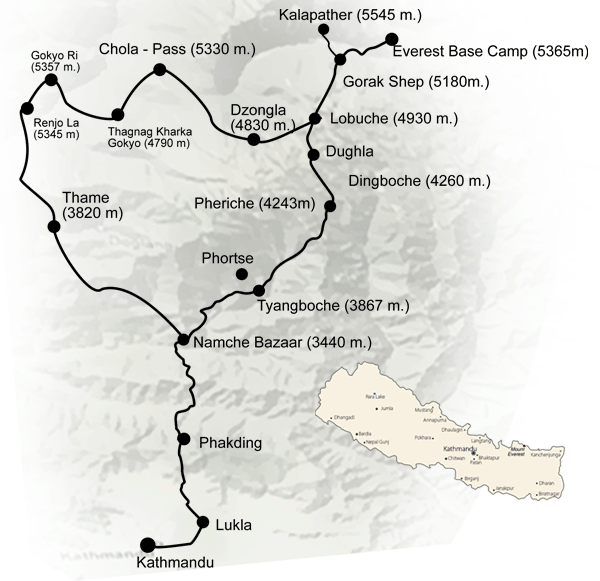
Route Map
FAQs
What is Everest Base Camp trekking
Everest Base Camp trekking is a challenging and rewarding adventure that takes you to the base camp of Mount Everest, the highest mountain in the world. The trek starts from Lukla and takes you through the beautiful Khumbu Valley, Sherpa villages, and the Sagarmatha National Park to reach the base camp.
How difficult is the Everest Base Camp trek
The Everest Base Camp trek is considered a challenging trek due to the altitude and the terrain. Trekkers must be physically fit and have experience with long, strenuous hikes.
How long does the trek take
The trek usually takes around 12-14 days, including acclimatization days.
When is the best time to trek to Everest Base Camp
The best time to trek to Everest Base Camp is from late September to early December and from March to May. These months offer the best weather and visibility.
Do I need a permit to trek to Everest Base Camp
Yes, you need a permit to trek to Everest Base Camp. You will need a Sagarmatha National Park Permit and a TIMS (Trekkers' Information Management System) card.
Do I need special gear or equipment for the trek
Yes, you will need to bring appropriate gear and equipment, including good quality hiking boots, warm clothing, a down jacket, a sleeping bag, and a backpack. It is also recommended to bring trekking poles, sunglasses, a hat, and sunscreen.
Is it safe to trek to Everest Base Camp
Trekking to Everest Base Camp is generally safe if you take necessary precautions and follow the guidelines provided by your trekking agency or guide. However, altitude sickness can be a significant risk at high altitudes, so proper acclimatization is crucial. Moreover, the weather conditions can be unpredictable, and the terrain can be challenging, so it's essential to choose a reputable trekking agency with experienced guides and porters.
Can I hire a guide and porter for the trek
Yes, it is recommended to hire a guide and porter for the trek. A guide can help with navigation, provide information about the area, and ensure your safety. A porter can carry your heavy equipment and relieve you of some of the physical burden.
What is the accommodation like during the trek
Accommodation during the trek is basic and usually consists of teahouses, which are small lodges that offer simple meals and a place to sleep. Some teahouses have shared bathrooms, while others have private facilities.
What should I do if I experience altitude sickness
If you experience altitude sickness, it is important to descend to a lower elevation immediately. Rest, hydrate, and take medication as prescribed. If symptoms persist, seek medical attention.
Can I trek to Everest Base Camp without prior trekking experience
It is not recommended to trek to Everest Base Camp without prior trekking experience. The trek is physically demanding and requires a high level of fitness and endurance. It is important to prepare adequately and to have some experience with long, strenuous hikes.
Can I do the Everest Base Camp trek solo
It's possible to do the Everest Base Camp trek solo, but it's not recommended. The terrain can be challenging, and altitude sickness can be a significant risk, so it's essential to have an experienced guide and porter who can provide assistance in case of emergencies. Moreover, traveling with a group or a guide can make the trek more enjoyable and memorable.