Tips for trekking in Nepal
Essential Tips for Trekking in Nepal: Your Ultimate Guide
Trekking in Nepal is a dream adventure for travelers worldwide, offering breathtaking mountain vistas, diverse cultures, and unforgettable experiences. Whether you’re a seasoned trekker or a beginner, these tips will ensure your journey through Nepal’s trails is safe, enjoyable, and memorable.
1. Choose the Right Trek for Your Experience Level
Nepal offers treks for everyone, from beginners to seasoned adventurers.
- Beginner-friendly treks: Mardi Himal, Ghorepani Poon Hill, Langtang Valley.
- Moderate treks: Annapurna Base Camp, Everest Base Camp.
- Challenging treks: Everest Three Passes, Manaslu Circuit, Kanchenjunga Trek.
Research trail difficulty, altitude, and duration before choosing your trek.
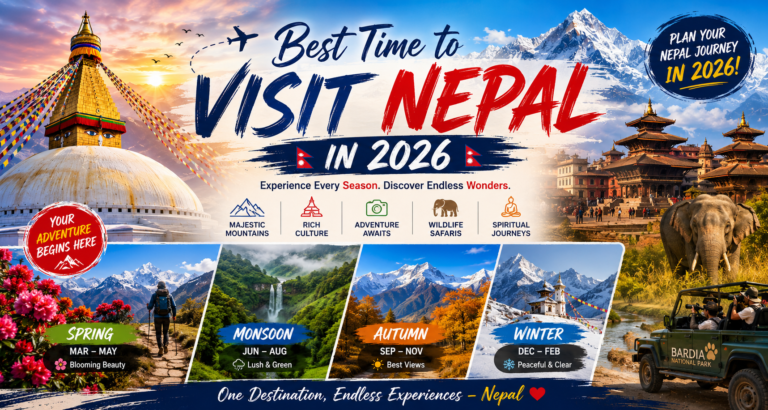
2. Best Seasons for Trekking
Plan your trek during the right season for optimal weather and trail conditions.
- Autumn (September–November): Clear skies, moderate temperatures, stunning views.
- Spring (March–May): Blooming rhododendrons and mild weather.
- Winter (December–February): Quieter trails but colder conditions.
- Monsoon (June–August): Avoid higher altitudes; try rain-shadow areas like Upper Mustang.
3. Acclimatize Properly
Altitude sickness is a serious concern in Nepal. Follow these steps to stay safe:
- Gradually increase your altitude.
- Schedule acclimatization days.
- Stay hydrated and avoid alcohol.
- Recognize symptoms like headaches, nausea, and fatigue. Descend immediately if symptoms worsen.
4. Pack Smart
Your packing list depends on your trek, but essentials include:
- Sturdy trekking boots (broken in).
- Warm layers, a down jacket, and a waterproof jacket.
- Quick-dry clothing and thermal wear.
- Sunscreen, sunglasses, and a hat for sun protection.
- A good-quality sleeping bag (rated for low temperatures).
- First aid kit, water purification tablets, and snacks.
5. Hire a Guide or Porter
While some treks can be done independently, hiring a guide or porter can enhance your experience:
- Guides: Provide navigation, cultural insights, and safety tips.
- Porters: Carry your load, allowing you to enjoy the trek stress-free.
Hiring locals also supports the community economically.
6. Obtain the Necessary Permits
Most treks in Nepal require permits. Popular permits include:
- TIMS Card (Trekkers’ Information Management System).
- Annapurna Conservation Area Permit (ACAP) or Sagarmatha National Park Permit.
- Restricted area permits for treks like Upper Mustang or Manaslu.
These are available in Kathmandu or Pokhara.
7. Stay Hydrated and Eat Well
- Drink at least 3-4 liters of water daily. Use purification tablets if needed.
- Enjoy local dishes like dal bhat (lentil curry with rice), which provide excellent energy.
- Avoid uncooked food and stick to boiled or filtered water to prevent illness.
8. Respect Local Culture and Environment
Nepal is rich in cultural heritage. Show respect by:
- Dressing modestly in villages.
- Asking permission before taking photos of locals.
- Following “Leave No Trace” principles: carry out your trash and avoid damaging trails or plants.
9. Train for Your Trek
Prepare physically for your trek by:
- Building endurance through cardio exercises (hiking, running, cycling).
- Strengthening your legs and core with squats, lunges, and planks.
- Practicing hiking with a backpack to simulate the trek.
10. Prepare for Unpredictable Weather
Nepal’s weather can change rapidly, especially at high altitudes. Be prepared for:
- Rain, snow, and strong winds.
- Temperature drops at night, even in warmer seasons.
Always carry rain gear and warm clothing, even for short treks.
11. Carry Cash
ATMs are rare in trekking regions. Bring enough Nepali rupees to cover meals, accommodations, tips, and other expenses. Keep small denominations handy for tea houses.
12. Travel Insurance is a Must
Purchase travel insurance that covers:
- High-altitude trekking.
- Emergency evacuation by helicopter.
Check the fine print to ensure comprehensive coverage.
13. Stay Connected
While some treks have limited connectivity, options include:
- Local SIM cards: Ncell and NTC provide coverage in popular trekking areas.
- Wi-Fi: Available in many tea houses for a fee.
Apps like maps.me or offline Google Maps can help with navigation.
14. Be Flexible
Mountain weather and unforeseen challenges can alter your itinerary. Keep an open mind and build buffer days into your schedule.
15. Enjoy the Journey
The beauty of trekking in Nepal lies in the journey itself. Take time to:
- Soak in the stunning landscapes.
- Interact with locals and learn about their culture.
- Appreciate the serenity and grandeur of the Himalayas.
Conclusion
Trekking in Nepal is a once-in-a-lifetime adventure. With proper preparation, respect for the environment, and a positive attitude, you’ll create memories to last a lifetime. So lace up your boots, pack your bags, and get ready to explore the world’s most iconic trails.
Happy trekking!