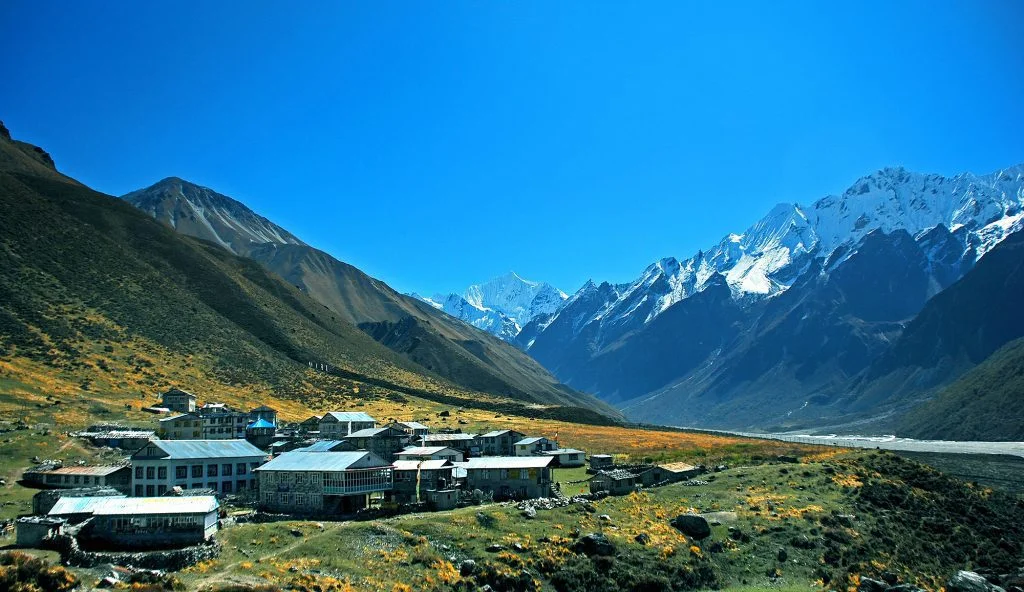
Langtang Valley Trek: Unveiling Nepal’s Hidden Gem
Nestled in the heart of the Himalayas, the langtang valley trek is a journey that often flies under the radar compared to its more famous counterparts. Yet, this enchanting trail, often referred to as Nepal’s hidden gem, offers an unparalleled blend of natural beauty, cultural richness, and adventure. Imagine trekking through lush forests, crossing high mountain passes, and immersing yourself in the warm hospitality of local Tamang communities, all while being surrounded by stunning vistas of snow-capped peaks.
While many trekkers flock to the Annapurna and Everest regions, Langtang Valley remains a quieter, more serene alternative that promises an authentic experience away from the crowds. In this guide, we’ll uncover what makes the Langtang Valley so special, from its breathtaking landscapes and rich biodiversity to the unique cultural experiences that await you. Whether you’re a seasoned trekker or a first-time adventurer, Langtang Valley offers a memorable and rewarding trek that is truly worth discovering.
Join us as we delve into the wonders of this Himalayan haven and learn why the Langtang Valley Trek deserves a place on your bucket list.

Why Langtang Valley?
Langtang Valley, often overshadowed by the more renowned trekking regions of Nepal, stands as a testament to the country’s hidden treasures. Here’s why this trek should be on your radar:
Unspoiled Natural Beauty
Langtang Valley boasts a pristine environment, where nature remains largely untouched by mass tourism. The trek offers stunning panoramic views of majestic peaks like Langtang Lirung, Ganesh Himal, and the awe-inspiring Dorje Lakpa. The valley is adorned with verdant forests, terraced fields, and meandering rivers, providing a picturesque backdrop that’s both serene and spectacular.
Less Crowded Trails
Unlike the busier Everest and Annapurna regions, Langtang Valley offers a more tranquil trekking experience. The relatively low footfall means you can enjoy the beauty of the Himalayas without the hustle and bustle of crowded trails. This makes for a more intimate and immersive adventure, where you can connect deeply with the landscape and the local culture.
Rich Cultural Experience
The trek takes you through traditional Tamang villages, where you can engage with the local communities and experience their rich cultural heritage. The Tamang people, known for their warm hospitality and vibrant traditions, provide a unique insight into the life and customs of the region. You’ll have the opportunity to visit ancient monasteries, participate in local festivals, and learn about the traditions that have shaped this remote corner of Nepal.
Diverse Flora and Fauna
Langtang Valley is a haven for biodiversity. As you trek, you’ll traverse through a variety of ecosystems, from lush subtropical forests to alpine meadows. The region is home to a range of wildlife, including red pandas, Himalayan tahr, and a variety of bird species. The diverse flora, including rhododendron forests and medicinal herbs, adds to the trek’s natural allure.
Scenic and Varied Terrain
The trek offers a diverse range of landscapes, from lush green valleys to rugged mountain terrain. You’ll encounter picturesque alpine lakes, expansive meadows, and the dramatic ice formations of Langtang Glacier. The varied terrain ensures that each day of trekking brings new and exciting scenery.
Accessible and Well-Connected
Langtang Valley is relatively accessible compared to some of Nepal’s more remote trekking regions. The trailhead is a short drive from Kathmandu, making it a convenient choice for those with limited time. The trek can be completed in about a week, making it an ideal option for those seeking a shorter adventure without compromising on the experience.
A Journey of Self-Discovery
For many, the Langtang valley trek is more than just a physical journey; it’s an opportunity for introspection and personal growth. The peaceful surroundings, combined with the physical challenge of the trek, provide a perfect setting for reflection and self-discovery.
In summary, Langtang Valley offers a unique blend of natural beauty, cultural richness, and adventure, making it an exceptional choice for trekkers looking to explore Nepal’s hidden gem. Whether you seek solitude, cultural immersion, or breathtaking landscapes, Langtang Valley delivers an unforgettable trekking experience.
Trekking Highlights
The Langtang Valley Trek is renowned for its diverse and captivating highlights. Here’s a closer look at some of the standout features of this beautiful trek:
Stunning Mountain Views
One of the most striking aspects of the Langtang Valley Trek is the awe-inspiring mountain vistas. As you trek through the valley, you’ll be treated to breathtaking views of towering peaks such as Langtang Lirung (7,227 m), Ganesh Himal (7,422 m), and Dorje Lakpa (6,966 m). The panoramic landscapes offer countless opportunities for stunning photographs and unforgettable moments.
Picturesque Langtang Village
Langtang Village, located at an altitude of 3,430 meters, is a charming and culturally rich settlement. The village provides a glimpse into traditional Tamang life and is surrounded by lush terraced fields and alpine meadows. The view of the village against the backdrop of snow-capped peaks is particularly captivating, making it a highlight of the trek.
Incredible Glacier Views
The trek offers a unique opportunity to explore the Langtang Glacier, one of the largest glaciers in the region. The glacier’s ice formations and crevasses create a dramatic and otherworldly landscape. Observing the glacier up close provides insight into the powerful forces shaping the Himalayas.
Scenic Kyanjin Gompa
Kyanjin Gompa, situated at 3,870 meters, is a picturesque Tibetan Buddhist monastery that serves as a key highlight of the trek. The monastery is surrounded by stunning mountain scenery and provides a serene setting for reflection and relaxation. The nearby Kyanjin Ri viewpoint offers panoramic views of the Langtang Range and is a must-visit for trekkers.
Lush Rhododendron Forests
As you trek through the lower sections of Langtang Valley, you’ll walk through vibrant rhododendron forests. In spring, these forests burst into color with blooming rhododendrons, creating a dazzling display of reds, pinks, and whites. The lush greenery and fragrant flowers add a touch of magic to the trek.
Tamang Culture and Heritage
The trek provides an immersive cultural experience with opportunities to interact with the Tamang people, an ethnic group indigenous to the region. You’ll have the chance to visit traditional Tamang villages, explore ancient monasteries, and participate in local festivals. The warm hospitality and rich cultural heritage of the Tamang communities enhance the overall trekking experience.
Alpine Meadows and Yak Pastures
The trek takes you through scenic alpine meadows and yak pastures, where you’ll encounter herds of yaks and dzos (yak-cattle hybrids). These meadows, with their expansive grassy fields and stunning mountain backdrops, offer a serene and picturesque environment.
Enchanting Waterfalls and Rivers
The Langtang Valley is dotted with beautiful waterfalls and fast-flowing rivers. The sound of cascading water and the sight of clear, glacial streams add a soothing and refreshing element to the trek. Notable waterfalls along the trail include the Langtang River and various smaller cascades.
Cultural and Historical Sites
Throughout the trek, you’ll encounter various cultural and historical sites, including ancient Buddhist stupas and chortens (stone monuments). These sites offer insights into the spiritual and historical significance of the region and add depth to your trekking experience.
Vibrant Local Flora and Fauna
The diverse flora and fauna of Langtang Valley are highlights in themselves. The region is home to a range of plant species, including medicinal herbs and wildflowers. Wildlife enthusiasts may spot animals such as the red panda, Himalayan tahr, and various bird species along the trail.
Each of these highlights contributes to the unique and unforgettable experience of the Langtang Valley Trek. Whether you’re drawn to stunning landscapes, rich cultural experiences, or opportunities for wildlife spotting, Langtang Valley offers something for every trekker to enjoy.
Trek Itinerary
Here’s a detailed 7-day itinerary for the Langtang Valley Trek, providing a day-by-day breakdown to help you plan your adventure:
Day 1: Kathmandu to Syabrubesi
Distance: 117 km (approximately 7-8 hours drive)
Highlights: Scenic drive through mountainous terrain, glimpses of local villages.
Accommodation: Lodge in Syabrubesi.
Description: Depart from Kathmandu early in the morning and embark on a scenic drive to Syabrubesi. The route offers beautiful views of terraced fields and rural landscapes. Upon arrival, check into your lodge and prepare for the trek ahead.
Day 2: Syabrubesi to Lama Hotel
Distance: 11 km (approximately 5-6 hours trek)
Elevation Gain: 2,380 m (7,808 ft)
Highlights: Trek through lush forests, views of the Langtang River, and the chance to spot wildlife.
Accommodation: Lodge in Lama Hotel.
Description: Start your trek along the Langtang River, passing through dense bamboo and rhododendron forests. The trail gradually ascends to Lama Hotel, where you’ll spend the night in a cozy lodge.
Day 3: Lama Hotel to Langtang Village
Distance: 13 km (approximately 6-7 hours trek)
Elevation Gain: 3,430 m (11,253 ft)
Highlights: Beautiful river views, traditional Tamang villages, and panoramic mountain scenery.
Accommodation: Lodge in Langtang Village.
Description: Continue your trek through the forested valley, crossing several suspension bridges. As you approach Langtang Village, you’ll be greeted by stunning views of the Langtang Lirung peak. Explore the village and learn about the local Tamang culture.
Day 4: Langtang Village to Kyanjin Gompa
Distance: 12 km (approximately 4-5 hours trek)
Elevation Gain: 3,870 m (12,696 ft)
Highlights: Scenic mountain views, visit to Kyanjin Gompa monastery, and acclimatization.
Accommodation: Lodge in Kyanjin Gompa.
Description: Trek to Kyanjin Gompa, where you’ll have the afternoon to explore the Tibetan Buddhist monastery and enjoy the spectacular views of the surrounding peaks. This is also a day for acclimatization, so take it easy and relax.
Day 5: Kyanjin Gompa to Tserko Ri (Optional)
Distance: 8 km round trip (approximately 4-5 hours)
Elevation Gain: 5,000 m (16,404 ft)
Highlights: Panoramic views from Tserko Ri, including Langtang Lirung and surrounding peaks.
Accommodation: Lodge in Kyanjin Gompa.
Description: For a rewarding day hike, trek to Tserko Ri. The summit offers breathtaking panoramic views of the Langtang range and beyond. Return to Kyanjin Gompa for the night.
Day 6: Kyanjin Gompa to Lama Hotel
Distance: 25 km (approximately 7-8 hours trek)
Highlights: Descend through beautiful landscapes, enjoy the return journey.
Accommodation: Lodge in Lama Hotel.
Description: Begin your descent back to Lama Hotel, retracing your steps through the lush forest and past traditional villages. Enjoy the changing scenery as you descend.
Day 7: Lama Hotel to Syabrubesi and Drive to Kathmandu
Distance: 11 km trek + 117 km drive (approximately 5-6 hours trek + 7-8 hours drive)
Highlights: Return journey through the Langtang Valley and scenic drive back to Kathmandu.
Description: Complete your trek by descending to Syabrubesi. From there, drive back to Kathmandu, where you’ll arrive in the evening. Celebrate the completion of your trek with a well-deserved rest in the city.
Preparation and Tips
Proper preparation is key to ensuring a successful and enjoyable Langtang Valley Trek. Here are some essential tips and recommendations to help you get ready:
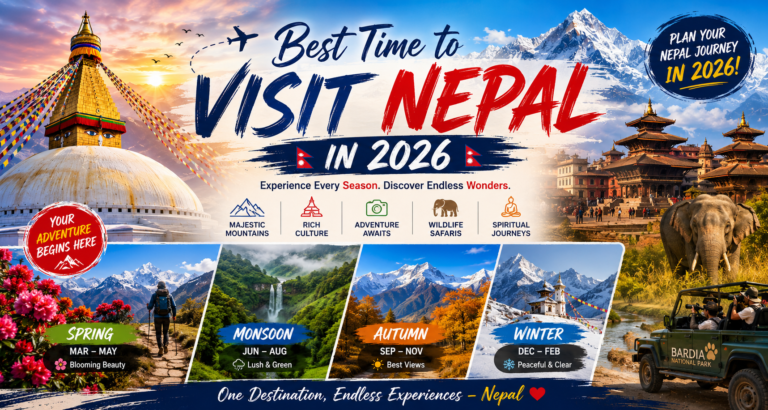
Best Time to Trek
- Spring (March to May): This is one of the best times to trek, with moderate temperatures, clear skies, and blooming rhododendrons. It’s an ideal time for both views and comfort.
- Autumn (September to November): Another excellent time, offering stable weather, clear views, and comfortable trekking conditions. This is also a peak trekking season in Nepal.
- Winter (December to February): While it can be colder with some snow, trekking in winter is possible, but prepare for colder temperatures and potentially icy trails.
- Summer (June to August): This is the monsoon season, and the trails can be muddy and slippery with a higher chance of rain. It’s less ideal due to the risk of landslides and leeches.
Physical Preparation
- Cardiovascular Fitness: Focus on building your cardiovascular endurance through activities like running, cycling, or swimming. Regular aerobic exercise will help you handle the trek’s physical demands.
- Strength Training: Incorporate strength training exercises to build leg strength, core stability, and overall endurance. Squats, lunges, and hiking with a weighted backpack can be beneficial.
- Altitude Acclimatization: Although Langtang Valley is not as high as some other treks, acclimatization is still important. Spend time at higher altitudes if possible before your trek to help your body adjust.
Packing List for Lantang Valley Trek

Clothing: Pack layers to manage varying temperatures. Essential items include:
Lightweight base layers
Insulating mid-layers (fleece or down jacket)
Waterproof and windproof outer layer (rain jacket, windbreaker)
Trekking pants and shorts
Warm hat, gloves, and neck gaiter
Sun hat and sunglasses
Footwear: Good quality, comfortable trekking boots with ankle support and waterproofing. Break them in before the trek to avoid blisters.
Gear:
Backpack (30-40 liters) with rain cover
Trekking poles
Sleeping bag (4-season recommended)
Water bottles or hydration system
Headlamp/flashlight with extra batteries
Camera and binoculars (optional)
Health and Safety:
First aid kit (including personal medications)
Water purification tablets or filter
Sunscreen and lip balm with SPF
Personal hygiene items (biodegradable soap, toilet paper, hand sanitizer)
Other Essentials:
Travel documents (passport, permits)
Cash for local expenses (Nepali Rupees)
Power bank or extra batteries for electronic devices
Permits and Costs
Permits: Obtain the Langtang National Park entry permit and TIMS (Trekkers’ Information Management System) card. These can be arranged in Kathmandu or through your trekking agency.
Cost: Plan for expenses including permits, guide/porter fees, accommodation, meals, and other personal costs. Have a budget in mind and carry some extra cash for emergencies.
Health and Safety
Altitude Sickness: Be aware of symptoms like headaches, dizziness, and nausea. Follow a proper acclimatization plan, stay hydrated, and avoid overexertion.
Hydration: Drink plenty of water to stay hydrated. Use purification methods to ensure the water you drink is safe.
Safety Precautions: Follow safety advice from your guide, be cautious on slippery or rugged terrain, and always inform someone of your whereabouts.
Cultural Respect
Local Etiquette: Dress modestly, especially when visiting villages or religious sites. Respect local customs and traditions.
Interactions: Be friendly and polite. Always ask permission before taking photos of people or their property.
Fitness and Acclimatization
Pre-Trek Fitness: Engage in regular exercise and hiking to build stamina. Training on uneven terrain can help simulate trekking conditions.
Acclimatization: Spend an extra day in Kathmandu or at intermediate altitudes to help your body adjust before reaching higher elevations.
Accommodations and Dining
During the Langtang Valley Trek, you’ll experience a range of accommodation and dining options that offer comfort and insight into local culture. Here’s what you can expect:
Accommodations
Lodges and Guesthouses: The Langtang Valley Trek features a variety of lodges and guesthouses along the trail. These accommodations are basic but comfortable, providing essential amenities like beds with blankets and sometimes hot showers (though these are rarer in higher altitudes).
Syabrubesi: The starting point of the trek offers several lodges with basic amenities. Expect simple rooms and communal dining areas.
Lama Hotel: The lodges here provide a cozy place to rest with simple, clean rooms and shared facilities.
Langtang Village: Lodges in Langtang Village offer basic but comfortable accommodation. Some lodges may have private rooms, though many have shared facilities.
Kyanjin Gompa: The lodges in Kyanjin Gompa are typically more basic due to the higher altitude. Facilities are limited, but you’ll find a range of lodges offering warm hospitality and spectacular views.
Facilities: Most lodges provide communal dining areas where trekkers can gather for meals. Toilets are usually shared, and hot water is not always available. Some higher-altitude lodges may have limited heating, so packing warm clothing is essential.
Dining
Local Cuisine: Meals in the lodges are typically prepared by local staff and feature a mix of Nepali and international dishes. Common dishes include:
Dal Bhat: A traditional Nepali meal consisting of rice (bhat), lentil soup (dal), and vegetable curry. It’s nutritious and commonly served throughout the trek.
Momo: Nepali dumplings filled with meat or vegetables, often enjoyed as a snack or appetizer.
Thukpa: A noodle soup with vegetables and meat, providing a hearty and warming meal, especially in colder weather.
Fried Rice: A versatile dish that can include vegetables, eggs, or meat, popular among trekkers.
International Options: Many lodges offer a range of international dishes, including pasta, noodles, and fried potatoes, catering to the tastes of trekkers from around the world.
Tea and Snacks: Enjoy hot tea, coffee, and snacks like biscuits and chocolate bars along the trail. Many lodges have small shops where you can purchase these items.
Special Dietary Needs: If you have special dietary requirements, inform your trekking company or guide in advance. While options may be limited in remote areas, most lodges will do their best to accommodate dietary restrictions.
Hydration: It’s essential to stay hydrated during the trek. Lodge menus typically include bottled water, and you can also purify water from local sources using purification tablets or filters.
Tips for Dining and Accommodation
Expect Basic Comfort: While lodges are comfortable enough for trekking, they are basic compared to city hotels. Be prepared for shared facilities and limited amenities.
Carry Snacks: Bring some high-energy snacks like nuts, dried fruit, and energy bars for extra fuel during the trek.
Be Mindful of Waste: Follow eco-friendly practices by minimizing waste and using reusable water bottles and bags.
Local Culture and Etiquette
Understanding and respecting the local culture and customs is crucial for a positive trekking experience in Langtang Valley. Here’s what you need to know about the local culture and etiquette:
Cultural Background
Tamang People: The primary ethnic group in Langtang Valley is the Tamang community. They are Tibetan in origin and have their own distinct culture, language, and traditions. Their culture is heavily influenced by Tibetan Buddhism.
Buddhist Influence: Many Tamang people practice Tibetan Buddhism, and you’ll find monasteries and stupas along the trekking route. Respect for these religious sites is important.
Religious Sites and Practices
Respect Sacred Sites: When visiting monasteries, stupas, and prayer flags, always walk clockwise around them. Avoid touching or climbing on religious structures.
Remove Shoes: When entering monasteries or temples, remove your shoes and hats. It’s also polite to dress modestly.
Photography: Always ask for permission before photographing people, especially in religious or private settings. Respect “no photography” signs.
Interaction with Locals
Polite Greetings: Greet locals with a smile and a polite “Namaste” (Nepali greeting). It’s a sign of respect and friendliness.
Offer Help Respectfully: If you wish to help or engage with the local people, do so in a manner that respects their traditions and boundaries. Avoid giving money directly to children, as it can encourage dependency.
Respect Privacy: Be mindful of personal space and avoid intrusive behavior. Respect local customs and traditions in your interactions.
Dress Code
Modest Clothing: Dress modestly, especially when visiting religious sites or local homes. Avoid revealing clothing and opt for attire that covers the shoulders and knees.
Layers: Wear practical, layered clothing suitable for trekking. Ensure that your clothes are clean and in good condition.
Environmental Responsibility
Leave No Trace: Follow the principles of “Leave No Trace” by disposing of waste properly and minimizing your environmental impact. Carry out all your trash, including used toilet paper.
Use Eco-Friendly Products: Opt for biodegradable soap and other eco-friendly products to minimize pollution.
Tipping and Payments
Tipping: Tipping is customary for guides, porters, and lodge staff. A tip is a token of appreciation for their service. It’s not mandatory but is often appreciated.
Cash Payments: Carry cash for local expenses, as credit card facilities are not available in remote areas. ATMs may not be available, so plan your cash needs accordingly.
Social Customs
Hand Gestures: Use your right hand for giving and receiving items, as the left hand is considered impolite in many cultures.
Footwear: Avoid showing the soles of your feet or pointing them at people or religious objects.
Food Etiquette
Shared Meals: During meals in lodges or local homes, it’s customary to eat with your right hand. If eating with a spoon or fork, follow the local dining practices.
By understanding and respecting these cultural norms and etiquettes, you’ll foster positive interactions with the local community and enhance your overall trekking experience in Langtang Valley.
The Langtang Valley Trek is more than just a physical journey; it’s an opportunity to experience the essence of Nepal’s Himalayan region. It’s about forging memories, encountering new perspectives, and discovering the profound beauty of one of the world’s most captivating trekking destinations. Whether you’re a first-time trekker or a seasoned adventurer, the Langtang Valley promises an unforgettable experience that will stay with you long after you return home.
So lace up your trekking boots, pack your gear, and get ready to embark on a journey through one of Nepal’s hidden gems. The Langtang Valley awaits, ready to share its stunning landscapes, rich culture, and unforgettable adventures with you.