how to train for high-altitude hiking
High altitude generally refers to that above level of altitude from sea level where the oxygen level gradually decreases as you move higher and higher. Typically, 8000 ft or above 2500m from sea level is considered a high altitude because oxygen levels are lower at that altitude. So, High altitude hiking refers to hiking at elevations above 8,000 feet, where the oxygen levels are low and often the air is thin.
As you are already aware hiking at high altitudes is a risky and hard thing to do in your life for the next level of adventure like the Everest Expedition, Peak climbing, mountaineering, Annapurna Expedition, Kanchanjunga Trek, etc. First, let’s know about the challenges you have to face in high-altitude hiking before knowing how to train for high-altitude hiking so you can prepare mentally for training.

So, here are the challenges you have to face in High-altitude hiking:
- Low oxygen level: At high altitudes, there is a low level of oxygen that can generally lead to problems like altitude sickness, Fatigue, and breathing difficulty.
- Extreme weather: Generally, in high altitudes, there is extremely cold weather that can create various problems for trekkers and sometimes you have to face sudden changes in weather like snowfall or strong windstorms, etc.
- Difficult landscapes: Hiking at high altitudes generally refers to hiking at steep and rough terrain and hard trails. So, trekkers need to be physically fit and have great strength.
- physical and mental challenges: In high altitudes, you have to face so many challenges that you cannot avoid so for this you have to be mentally strong to face these challenges and physically strong to tackle them.
As you have now understood the challenges to face in High altitudes. let’s know about the important training for you to hike in high altitude or learn about how to train for high-altitude hiking.

How to train for high-altitude hiking (best exercise and practice):
1. Whole body checkup:
Before you dig deep inside about how to train for high-altitude hiking you should know the health condition of your body first. Knowing about the condition of your body will help you to find out the current state of your body and can work to maintain fitness and work on the current weakness your body has. Consult the Doctor for better recommendations that can improve the physical state of your body.
2. Training for physical endurance:
you have to cover long distances and climb high altitudes to reach the destination so your body will get tired. So, you should train for physical endurance to cover as long distance as you can and also not to get tired too fast and easily. The training that will help you increase physical endurance are:
-Cardiovascular Training:
Cardiovascular training, better known as aerobic exercise, is a must component of your preparation for high-altitude hiking. The nature of this exercise targets the efficiency and capacity of your heart and lungs to deliver oxygen to the muscles. Best cardiovascular training includes:
- Running: Include 10 km of running in your daily morning routine. You can start by short-distance running and increase the distance and intensity gradually.
- Cycling: Cycling is a good option for cardiovascular training as it is also very effective training you can add this to the evening routine of your day. Both outdoor and stationary cycling are best.
- Swimming: Involve in Swimming as much as you can in a week. Swimming also helps to increase stamina and best exercise for increasing lung capacity.
- Dancing: Dancing is also the best fun way to train for cardiovascular training. Try to be involved in dancing activities as much as you can.
- Brisk walking: Brisk walking helps to make your heart healthier and increase your stamina. Try including this walk in your normal walk like walking to the shop or 10 min a day will be enough.
This exercise will help you to increase your stamina, improve heart health, weight management, stress reduction, increase lung capacity, etc. This aerobic training also provides an answer to how to train your lungs for high-altitude hiking.
-Hiking with load backpack:
This will be the best and real practice for you to increase physical endurance and strength because at high-altitude hiking you have to carry all the necessary items you need like food, sleeping bags, and tents. This is how to train for high-altitude hiking in a real practice way. Begin with shorter hikes, progressively increasing the distance and the weight of your pack. Work your way up to a pack that will simulate what you are going to carry on your high-altitude trek.
3. Strength building training:
Strength training is a must component of your preparation for high-altitude hiking, as it essentially contributes to muscular endurance, stability, and the general resilience of your body.
- leg strength: Exercise like squats, and steps up will help to increase the strength of your leg.
- Core stability: Planks, Russian twists, and leg raises help to strengthen the core part of the body which includes the abdominal part. This is essential for balance and stability.
- Upper body training: Push-ups and pulls are the best way to increase the strength of your hand or upper part of the body.
Strong muscles, especially in the legs, core, and upper body, help you to negotiate steep, uneven terrain and carry a heavy backpack easily that’s why this is a very important training or exercise you should do for high-altitude hiking training. Enhanced strength also minimizes the chance of injury, improves balance, and capacitates a person to tackle the rigors of hiking in demanding conditions, which will eventually provide a safer and more pleasant hike.

4. Increasing Altitude Acclimatization
Altitude acclimatization is a very important training or way of preparation for High-altitude hiking as it involves the activities or training that help you to adapt to the high-altitude environment and prevent altitude sickness or illness like acute mountain sickness (AMS), high altitude pulmonary edema (HAPE), and high-altitude cerebral edema (HACE). Altitude acclimatization preparation includes:

- Train at High Elevations: Whenever you get a chance try to camp in the basic level of high altitude that is only above 2400m. Try to spend the day, a week which will help you adapt to the high-altitude environment. This approach refers to train at a low altitude and lives at high altitude. Gradually increase the elevation of your training sessions over time.
- Simulated altitude training: Simulated altitude training refers to training done by using the equipment or facilities that would create an environment like a high altitude environment in your very own space. Equipment like altitude tents, altitude champers, altitude masks, etc. This equipment mimics the high-altitude conditions. This covers an answer to how to train for high-altitude hiking at home.
5. Breathing techniques:
Breathing exercises are important for high-altitude hiking because they can help increase lung capacity and oxygen efficiency, and reduce the probability of altitude sickness. The best breathing techniques are:
- Diaphragmatic Breathing: Diaphragmatic breathing techniques emphasize the action of breathing into your tummy rather than into your chest. Slowly breathe in through your nose as your diaphragm descends with the filling of the lungs with air. Slowly exhale through pursed lips, feeling your abdomen rise and fall with each breath; it may help to reduce stress and produce relaxation.
- Box Breathing: This breathing technique refers to inhaling air on the count of four and holding breath for count four, exhaling breath for a count of four, and again holding breath for four counts. repeat this process several times.
- Yoga breathing: Pranayama, or yoga breathing, is an excellent way to prepare your body for high-altitude hiking. It mainly involves the practice of breath control, which greatly enhances lung capacity, improves oxygenation, and helps one relax.

6. Hydration and nutrition:
Keeping your body hydrating is a crucial thing while in training also develop the habit of drinking water frequently and increase your water intake because this habit will help you keep hydrated in time of real hiking too. Have a balanced diet food and supply the necessary nutrients to your body to make your body healthier and stronger. Include plenty of Vegetables and fruits in your food which provide you essential vitamins and minerals to the body. Eat nuts, and meats for protein supply to your body.
7. Mental preparation:
It is very crucial to train your mentality and psychology for high-altitude hiking. Build up mental strength and a positive attitude to undertake high-altitude hiking. Train your mind to stand the mental and physical discomforts that it may face. Envision successful hikes and set realistic goals to stay on track. Practice meditation daily that will help you calm down your mind and help to maintain a positive mindset. Imagination is another method for your mental preparation, try imagining a successful attempt and summit before you sleep which will help you to have a beautiful dream and wake up with positivity and be fully motivated.
8. Learn Mountaineering and survival skills:
Learning Mountaineering and survival is also the crucial part that answers your how to train for high-altitude hiking. It’s better to prepare for emergency conditions, accidents, and sudden natural calamities that may arise in hiking like landslides, avalanches, unfriendly weather, breaking gears, and so on. Learning mountaineering skills help you to pass through steep and difficult landscapes easily. Learn skills like navigation skills, camping skills, rope tying skills like making knots, rock climbing, rappelling, learn to forecast weather, etc. To perfect these activities, you can take training in mountaineering or rock-climbing training center.
Learn safety measures and awareness about natural disasters like landslides, floods and avalanches. Learn the Basic skills and educate yourself about first aid and wilderness medicine. Learn how to treat common injuries like sprains, strains, and blisters, but also to recognize and manage more serious conditions like altitude sickness and hypothermia.
conclusion
These are the key training or essential exercises to be included in training for high-altitude hiking. As you are going to hike at a high altitude and want to know how to train for high-altitude hiking this blog is enough to answer your all queries. Simply make a daily routine plan, try to run 10 km daily after you wake up, after running it will be best for you to join a gym to build strength, try dancing in your leisure time, try to go hiking at weekends, and acclimatize high elevation and join mountaineering class to master hiking.
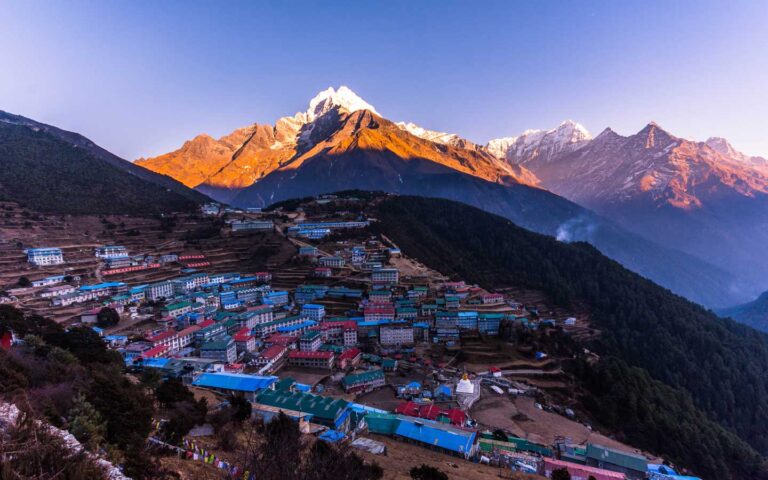
It would be your wise decision to spend a few days or weeks in a Himalayan village to adapt to the altitude environment and learn about the local foods that help with high altitude sickness and remedies. Talking or interviewing the locals answers most of the queries like topography, location and roads, safety techniques, local herbs, and so on.
If you want to know more then we have local sherpa guides that can answer all of your queries related to hiking or mountaineering. It is also better for you to know about the trek gear list that helps you in hiking at high elevations that we have described in the Everest trek gear list, and it will be very helpful if you gain some information about high-elevation travel and altitude illness before you set to hike.