Everest Base Camp Trek: The Ultimate Adventure to the Roof of the World
Everest Base Camp Trek: The Ultimate Adventure to the Roof of the World
The Everest Base Camp Trek is not just a journey; it’s a life-changing adventure that takes you through the heart of the Himalayas to the foot of the world’s highest peak, Mount Everest. Whether you’re an avid trekker or someone looking for a unique and challenging adventure, this trek offers an unforgettable experience filled with breathtaking views, rich Sherpa culture, and incredible landscapes.

Why Everest Base Camp Trek is a Must-Do Adventure
The Everest Base Camp Trek offers one of the most incredible trekking experiences in the world. Here’s why it should be on your bucket list:
-
Iconic Views of Mount Everest Standing at the base of Mount Everest (8,848 meters/29,029 feet), the world’s highest peak, is a dream for many. As you trek to the base camp, you’ll be treated to panoramic views of Everest, Lhotse, Makalu, and Nuptse, along with the stunning Khumbu Icefall and glaciers. It’s a place where the landscape leaves you speechless.
-
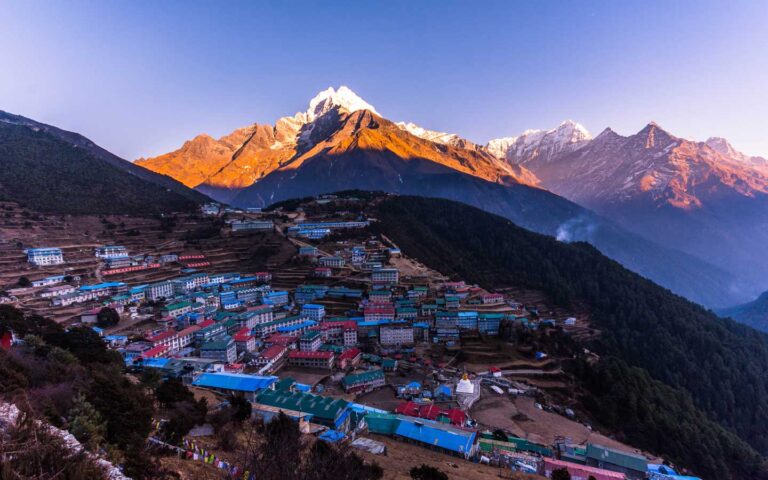
Cultural Immersion in Sherpa Villages This trek is not just about reaching a destination—it’s a journey through the heart of the Sherpa culture. Along the way, you’ll pass through quaint villages like Namche Bazaar, Tengboche, and Lukla, where you can experience the warm hospitality of the locals, learn about Buddhist traditions, and visit ancient monasteries.
-
Trek Through Stunning Landscapes From the lush greenery of the lower regions to the barren, rocky landscapes near base camp, the trek offers diverse and ever-changing scenery. You’ll pass through dense forests of rhododendrons, across suspension bridges, and along ridges offering expansive mountain views.
-
Achievable for Most Fitness Levels While the trek to Everest Base Camp is challenging, it is not a technical climb, making it accessible to most trekkers with moderate fitness levels. The route is well-marked, and there are plenty of tea houses along the way to rest, refuel, and enjoy the stunning surroundings.
-
Once-in-a-Lifetime Experience Completing the Everest Base Camp Trek is an achievement in itself. The sense of accomplishment and awe you’ll feel when you reach base camp is unparalleled. Plus, the memories you take from this trek will last a lifetime—whether it’s the stunning vistas or the friendly faces of the Sherpa people.
Everest Base Camp Trek Itinerary: A Detailed Overview
Here’s a general breakdown of a typical 12-day Everest Base Camp Trek itinerary:
Day 1: Arrive in Kathmandu
Arrive in Kathmandu, the vibrant capital of Nepal. Take a day to explore the city’s UNESCO-listed heritage sites like Swayambhunath, Pashupatinath, and Boudhanath.
Day 2: Fly to Lukla & Trek to Phakding
Take a short, thrilling flight to Lukla (2,840m), known as the gateway to Everest. From there, trek to Phakding (2,610m), a small village on the banks of the Dudh Kosi River.
Day 3: Trek to Namche Bazaar
Today, head towards Namche Bazaar (3,440m), the bustling Sherpa town that is the main hub for trekkers and climbers in the region. You’ll pass through forests and cross bridges with incredible mountain views.
Day 4: Acclimatization Day in Namche Bazaar
It’s essential to acclimatize to the altitude before continuing. Spend the day exploring Namche Bazaar, visit the Sherpa museum, and hike up to Everest View Hotel for panoramic views of Everest and surrounding peaks.
Day 5: Trek to Tengboche
Trek to Tengboche (3,860m), home to the famous Tengboche Monastery. This day offers spectacular views of Everest, Lhotse, and Ama Dablam.
Day 6: Trek to Dingboche
Continue your journey to Dingboche (4,410m), a peaceful village with stunning mountain vistas. This is another acclimatization stop before heading further into high-altitude terrain.
Day 7: Trek to Lobuche
Today, trek to Lobuche (4,940m), a small settlement located in the heart of the Khumbu region. The altitude begins to feel more challenging as you gain elevation.
Day 8: Trek to Gorak Shep & Everest Base Camp
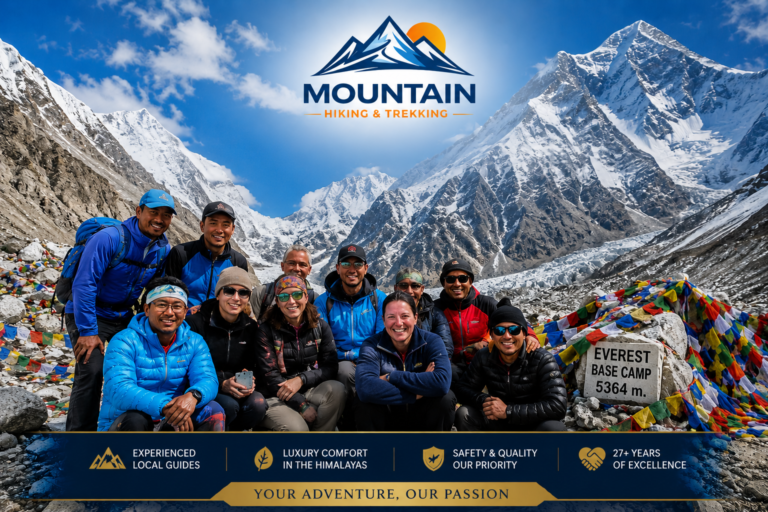
On this day, you’ll reach Gorak Shep (5,164m) and then make the final trek to Everest Base Camp (5,364m). Reaching base camp is a monumental achievement, and you’ll feel on top of the world as you stand at the foot of Everest.
Day 9: Hike to Kala Patthar & Trek Back to Pheriche
Rise early for a hike to Kala Patthar (5,545m), which offers the best views of Everest. Afterward, begin your descent to Pheriche (4,240m), a smaller village along the way.
Day 10: Trek to Namche Bazaar
Continue descending back through Tengboche, Namche Bazaar, and retrace your steps to the familiar villages of the region.
Day 11: Trek to Lukla
Conclude your trek with a final push back to Lukla (2,840m), where you’ll celebrate the completion of your journey.
Day 12: Fly back to Kathmandu
Catch a flight back to Kathmandu and reflect on the unforgettable adventure you’ve just experienced.
Best Time to Trek Everest Base Camp
The ideal time for trekking to Everest Base Camp is during the spring (March to May) and autumn (September to November) months. These seasons offer the best weather conditions for trekking, with clear skies, mild temperatures, and stable trails. Avoid the monsoon season (June to August) due to the heavy rainfall, and winter (December to February) when the temperatures are extremely cold.
What to Pack for Everest Base Camp Trek
Packing for the Everest Base Camp Trek requires careful consideration. Here are some essential items to bring:
- Trekking Boots: Comfortable, sturdy, and waterproof boots.
- Clothing: Layered clothing for varying temperatures (base layers, fleece, waterproof jacket, gloves, hat).
- Sleeping Bag: Rated for cold temperatures.
- Trekking Poles: To help with balance on uneven terrain.
- Water Purification: A water filter or purification tablets.
- First Aid Kit: Basic medical supplies, including altitude sickness medication.
- Snacks: Energy bars and trail mix for quick fuel during the trek.
Cost of the Everest Base Camp Trek
The cost of the Everest Base Camp Trek can vary depending on the type of services you opt for, such as guided tours, permits, and accommodations. On average, a guided trek can cost between $1,200 and $2,000. This cost includes permits, guide/porter fees, accommodations, and food, but does not include flights, personal expenses, or tips.
Conclusion: Embark on a Journey to Everest Base Camp
The Everest Base Camp Trek is more than just a trek—it’s a journey that will stay with you forever. From the awe-inspiring views of Mount Everest to the rich culture of the Sherpa people and the thrill of reaching base camp, this adventure offers something for everyone. Whether you’re an experienced trekker or a beginner, the challenge and reward of this trek are unmatched. It’s an experience of a lifetime and one that you will cherish long after you’ve returned home.
So, lace up your boots, pack your gear, and get ready to embark on the adventure of a lifetime—the Everest Base Camp Trek awaits you!