Kailash Tour Overland via Kerung

Trip Facts

Trip Grade Moderate
Starts Kathmandu
Ends Tibet

Overview

Mt. Kailash & Lake Manasorovar driving and trekking plans to Mt. Kailash and Lake manasarovar. Mt. Kailash, at 6714 m, also known as Tise, Kailasa & Kang Rinpoche (Jewel of the Snows), has since time immemorial been celebrated in many Eastern cosmologies as Mt. Meru, the axis mundi. And as the center of the physical & metaphysical universe, Mt. Meru is sacred to the Buddhist, Jains, the Hindus & the Bonpos. For the Hindus, the mountain represents the seat of Lord Shiva; for the Buddhists, a terrestrial projection of the cosmic mandala of Dhyani-Buddhas & Boddhisatvas. The Wheel of Life; for the Bonpos, Kailash was the sacred nine storeys Swastika Mountain, upon which the Bonpo founder Sherab alighted from heaven. Four of the great rivers of the Indian subcontinent originate from here: the Karnali (longest river in Nepal), which feeds into the Ganges (south), the Indus (north), the Sutlez (west) & the Brahmaputra (Yarlung Tsangpo, east).

Apart from the religious value of this place, Mt. Kailash is also very famous for its natural beauty. It’s a challenging place to go so many adventure seekers might find this place great. This trek includes lots of driving and hiking. 14 days Pilgrimage Tour to Mt. Kailash & Lake Manasorovar will be a very memorable trip f   cvor you if you are an adventure seeker and a fit person.

Kailash Mansarovar Yatra by Overland via Kerung

Itinerary

Day 1: Arrivel in kathamandu Transfer to hotel

Arrivel in kathamandu Transfer to hotel

Day 2: Free Rest Day and Chinese Visa Application in Kathmandu
Wake up and have breakfast at your accommodation in Kathmandu.nnTake some time to relax and rest after your arrival, especially if you've experienced jet lag or fatigue from traveling. Prepare your documents for the Chinese visa application. Ensure you have all the necessary paperwork, including your passport, visa application form, passport-sized photos, and any supporting documents required. Head to the Chinese Embassy or Consulate in Kathmandu to submit your visa application. Be sure to check the embassy's operating hours and any specific requirements beforehand. Depending on the processing time for the visa, you may need to wait for a few hours or days for the visa to be processed. Use this time to explore Kathmandu if you're feeling up to it, or continue resting at your accommodation.
Day 3: Full day city Tour in Kathmandu4 place 5-6 hrs.
Duration: Approximately 5-6 hoursnn1. Breakfast: Start your day with a hearty breakfast at your hotel or a local cafu00e9 to fuel up for the day ahead.nn2. Swayambhunath Stupa (Monkey Temple):nnBegin your tour by visiting Swayambhunath Stupa, one of the most iconic and ancient religious sites in Kathmandu. Explore the stupa's complex, which includes shrines, temples, and a large stupa adoned with prayer flags and colorful decorations. Enjoy panoramic views of the city from the hilltop location.nn3. Patan Durbar Square:nnHead to Patan Durbar Square, located in the city of Lalitpur (Patan), which is known for its well-preserved Newar architecture. Explore the various temples, palaces, courtyards, and intricate stone carvings that reflect the artistic and architectural heritage of the area.nn4. Lunch: Enjoy a traditional Nepali lunch at a local restaurant. This is a great opportunity to savor some local cuisine.nn5. Pashupatinath Temple:nnAfter lunch, visit Pashupatinath Temple, one of the most sacred Hindu temples in Nepal and a UNESCO World Heritage Site. Observe the temple's stunning architecture, and if you're respectful, you can witness Hindu cremation rituals along the Bagmati River.nn6. Boudhanath Stupa:nnProceed to Boudhanath Stupa, one of the largest stupas in Nepal and a significant pilgrimage site for Buddhists. Take a leisurely walk around the stupa, spinning prayer wheels and observing the serene atmosphere.nn7. Thamel Shopping and Rest Break:nnThamel is a vibrant neighborhood known for its shopping and dining options. Take a break to relax, do some shopping for souvenirs, or enjoy a cup of Nepali tea or coffee.nn8. Kathmandu Durbar Square:nnEnd your day at Kathmandu Durbar Square, another UNESCO World Heritage Site. Explore the historic square, admire the intricately carved wooden architecture of the old palace, temples, and statues.nnOveniht : At Hotel Meals: Breakfast
Day 4: Bhaktapur and Changu Narayan Temple Tour + Visa Collection
Moning: Half-Day Tour to BhaktapurnnStart your day with breakfast at your accommodation in Kathmandu. Depart for Bhaktapur, a UNESCO World Heritage Site known for its well-preserved medieval architecture, temples, and vibrant culture. Explore Bhaktapur Durbar Square, which features the Palace of 55 Windows, Nyatapola Temple, Bhairava Nath Temple, and other historical landmarks. Take time to wander through the narrow alleys and soak in the atmosphere of this ancient city. Visit local craft shops and observe artisans at work, producing pottery, woodcarvings, and traditional handicrafts.nnAftenoon: Visit Changu Narayan TemplennAfter your tour of Bhaktapur, proceed to Changu Narayan Temple, one of the oldest Hindu temples in the Kathmandu Valley, dedicated to Lord Vishnu. Explore the temple complex, which features exquisite stone carvings, sculptures, and shrines depicting various incanations of Lord Vishnu. Enjoy panoramic views of the surrounding countryside from the temple's hilltop location. Take your time to admire the intricate craftsmanship and architectural beauty of Changu Narayan.nnLate Aftenoon/Early Evening: Visa CollectionnnRetun to Kathmandu from Changu Narayan Temple. Freshen up and prepare for your visit to the Chinese Embassy to collect your visa. Head to the Chinese Embassy or Consulate in Kathmandu to collect your processed visa. Allow sufficient time for visa collection and any additional paperwork or procedures required. Once you've collected your visa, you can either retun to your accommodation or explore Kathmandu's dining options for dinner.
Day 5: Kathmandu to Syabrubesi (1,550 meters 5,085 feet)117 kilometers (73 miles). 8 hrs
Depart from Kathmandu in the moning, usually via private vehicle or bus, depending on your tour arrangement. The jouney from Kathmandu to Syabrubesi takes approximately 6-8 hours by road, covering a distance of around 117 kilometers (73 miles). Enjoy scenic views of the countryside as you travel towards the Langtang region. Along the way, you'll pass through picturesque towns and villages, providing insight into rural life in Nepal. The road jouney involves traversing winding mountain roads, so be prepared for some twists and tuns. Make a stop for lunch at a local restaurant or teahouse en route to Syabrubesi.nnArrival in Syabrubesi:nnReach Syabrubesi by late aftenoon or early evening, depending on the road conditions and traffic. Syabrubesi is a small village located at an altitude of approximately 1,550 meters (5,085 feet) above sea level, serving as the starting point for treks in the Langtang region. Check into your accommodation in Syabrubesi and settle in for the night. Rest and relax after the long jouney, and enjoy the serene atmosphere of the Himalayan foothills.nnAltitude:nnKathmandu: Approximately 1,400 meters (4,600 feet) above sea level. Syabrubesi: Approximately 1,550 meters (5,085 feet) above sea level.
Day 6: Syabrubesi - Kyirung (2,700 meters 8,858 feet)20-40 kilometers
Moning: Departure from SyabrubesinnBegin your day early in Syabrubesi. Have breakfast and ensure all necessary preparations are made for the jouney ahead. Check out from your accommodation and gather your belongings, including any trekking gear or personal items.nnCrossing the Nepal-China Border:nnDepart from Syabrubesi, and travel towards the Rasuwagadhi border crossing, which serves as the main border checkpoint between Nepal and China (Tibet). The drive from Syabrubesi to Rasuwagadhi takes approximately 1-2 hours, covering a distance of around 15-30 kilometers, depending on road conditions. Upon reaching Rasuwagadhi, complete immigration and customs formalities on the Nepali side of the border. Be prepared for potential delays at the border checkpoint, as processing times can vary depending on the volume of travelers and other factors.nnEntry into Tibet (China):nnAfter completing immigration procedures on the Nepali side, cross the Friendship Bridge over the Bhote Koshi River, marking the border between Nepal and China. Once across the bridge, you'll enter the Tibet Autonomous Region of China. Proceed to the Chinese immigration and customs checkpoint for entry formalities into Tibet. Ensure you have all required travel documents, including your Chinese visa and any permits necessary for travel in Tibet.nnTravel from Rasuwagadhi to Kyirong:nnAfter clearing immigration on the Chinese side, continue your jouney by road towards Kyirong (also spelled Kyirong or Kerung). The drive from the border to Kyirong typically takes several hours, covering a distance of approximately 20-40 kilometers, depending on road conditions and weather. Enjoy scenic views of the Himalayas as you travel through the rugged terrain of the Tibet-Nepal border region. Kyirong is situated at an altitude of around 2,700 meters (8,858 feet) above sea level, offering a picturesque setting surrounded by mountains and valleys. Upon arrival in Kyirong, check into your accommodation and rest after the long jouney. Take time to acclimatize to the higher altitude and enjoy the serene beauty of the Tibetan countryside.nnNote: The specific details of the jouney from Syabrubesi to Kyirong may va
Day 7: Rest and acclimatization day at Kerung
Moning:nnWake up at your accommodation in Kyirong and have a leisurely breakfast. Take some time to rest and relax in your room or explore the immediate surroundings of Kyirong town at a gentle pace. Drink plenty of water to stay hydrated, as proper hydration is crucial for acclimatization at higher altitudes.nnMidday:nnConsider taking a short walk around Kyirong town to get accustomed to the altitude gradually. Keep the walk gentle and avoid exerting yourself. If you're feeling up to it, visit local markets or shops to browse and interact with the local community. Kyirong offers a glimpse into Tibetan culture and daily life.nnAftenoon:nnRetun to your accommodation for lunch or dine at a local restaurant, sampling Tibetan cuisine or other regional dishes. Take advantage of the aftenoon to catch up on rest, read a book, or simply enjoy the tranquility of Kyirong. Avoid strenuous activities or high-altitude trekking on your rest day to allow your body to adjust to the altitude more effectively.nnEvening:nnEnjoy a quiet evening in Kyirong, perhaps with a warm cup of Tibetan tea or a hearty meal. Take time to reflect on your jouney so far and prepare mentally for the adventures ahead in Tibet. Get an early night's sleep to ensure you're well-rested for the next leg of your jouney.
Day 8: Drive to Saga-(4,450 meters 14,600 feet) around 200-250 km. (125-155 miles)
Begin your day early with breakfast at your accommodation in Kyirong. Check out from your hotel and ensure all your belongings are packed and ready for the jouney. Meet your guide and driver, and embark on the road trip to Saga.nnDrive to Saga:nnDepart from Kyirong and start your drive towards Saga, which is situated at an altitude of approximately 4,450 meters (14,600 feet) above sea level. The road jouney from Kyirong to Saga covers a distance of around 200-250 kilometers (125-155 miles), depending on the route taken and road conditions. The drive takes you through breathtaking landscapes, including mountain passes, valleys, and picturesque Tibetan villages. Along the way, you may encounter yaks grazing on the high-altitude pastures and nomadic Tibetan herders tending to their livestock. Be prepared for rough and sometimes unpaved roads, as well as occasional changes in weather conditions. Take breaks as needed to stretch your legs, hydrate, and admire the scenery.nnArrival in Saga:nnArrive in Saga by late aftenoon or early evening, depending on road conditions and travel pace. Check into your accommodation in Saga and settle in for the night. Take time to rest and acclimatize to the higher altitude, as Saga is significantly higher than Kyirong. Enjoy dinner at your hotel or venture out to explore local dining options, which may include Tibetan and Chinese cuisine.
Day 9: Drive to Manasarover 4,590 meters (15,060 feet) 350-400 km.(220-250 miles) 8-9 hrs
Begin early in the moning after breakfast. Ensure you've packed all necessary items for the jouney, including water, snacks, warm clothing, and any personal essentials. Meet your guide and driver, and prepare to depart from Saga towards Lake Manasarovar.nnDrive to Lake Manasarovar:nnThe drive from Saga to Lake Manasarovar covers a distance of approximately 450 kilometers (280 miles) and can take around 7-9 hours, depending on road conditions and weather. You'll traverse through the vast Tibetan plateau, passing through rugged terrain, expansive grasslands, and occasional nomadic settlements. The road jouney offers stunning views of the surrounding Himalayan mountains, including glimpses of Mount Kailash in the distance, which adds to the anticipation of reaching your destination. Along the way, you may stop at designated viewpoints to stretch your legs, take photographs, and appreciate the natural beauty of the Tibetan landscape. Be prepared for long stretches of driving, as well as varying road conditions, including paved sections and unpaved tracks.nnArrival at Lake Manasarovar:nnReach Lake Manasarovar by late aftenoon or early evening, depending on the pace of your jouney. Lake Manasarovar is one of the highest freshwater lakes in the world, located at an altitude of approximately 4,590 meters (15,060 feet) above sea level. Upon arrival, take a moment to soak in the awe-inspiring beauty of the lake and its surroundings. The crystal-clear waters of Lake Manasarovar are considered sacred by Hindus and Buddhists alike.
Day 10: Puja and Drive to Darchen (Tarchen)
Begin your day with an early moning puja (religious ceremony) at Lake Manasarovar. Participate in rituals and prayers offered by pilgrims, guided by local priests or spiritual leaders. Take time for personal reflection and spiritual contemplation in the serene atmosphere of Lake Manasarovar. After the puja, depart from Lake Manasarovar and start your jouney towards Darchen (also known as Tarchen). The drive from Lake Manasarovar to Darchen covers a relatively short distance, typically taking around 1-2 hours. Enjoy scenic views of the surrounding landscape as you travel towards the base of Mount Kailash.nnAftenoon: Check-in and LunchnnCheck into your accommodation in Darchen and settle in for your stay. Accommodation options in Darchen include guesthouses, lodges, or campsites catering to pilgrims and trekkers. Enjoy a hearty lunch at your accommodation or a local restaurant in Darchen, replenishing your energy for the days ahead.nnLate Aftenoon: Explore DarchennnSpend the late aftenoon exploring Darchen, a small town situated at the base of Mount Kailash and the starting point for the Kailash Kora (circumambulation). Visit local shops and markets to purchase any last-minute supplies or trekking essentials you may need for the Kora. Take a leisurely walk around Darchen to acclimatize to the altitude and familiarize yourself with the surroundings. Observe the vibrant atmosphere of Darchen, with pilgrims and travelers from around the world gathering for their spiritual jouney to Mount Kailash.nnEvening: Dinner and PreparationnnEnjoy dinner at your accommodation or a nearby restaurant, sampling local Tibetan cuisine or intenational dishes. Take time to prepare for the Kailash Kora, ensuring you have all necessary equipment, clothing, and provisions for the trek. Rest and relax in anticipation of the challenging but spiritually rewarding jouney that awaits you the following day. Arrive in Darchen by midday or early aftenoon, depending on the pace of your jouney.
Day 11: Darchen to Dira Puk (5,210 meters 17,090 feet) 12 km.(7.5 miles) around 5-6 hours
Start your trek from Darchen towards Dirapuk Monastery, which is the first leg of the Kailash Kora (circumambulation). The trekking distance from Darchen to Dirapuk Monastery is approximately 12 kilometers (7.5 miles) and typically takes around 5-6 hours to complete, depending on individual pace and trail conditions. The trail initially follows a gradual ascent along the Barkha Plain, offering panoramic views of Mount Kailash and its surrounding peaks. As you continue along the trail, you'll gradually gain altitude, passing through rocky terrain and occasional streams. After a few hours of trekking, you'll reach the north face of Mount Kailash, where Dirapuk Monastery is located. Dirapuk Monastery, also known as the North Face Monastery, is situated at an altitude of approximately 5,210 meters (17,090 feet) above sea level, nestled against the foothills of Mount Kailash. Upon reaching Dirapuk Monastery, take some time to rest and soak in the awe-inspiring scenery of Mount Kailash towering above you.nnAftenoon: Lunch and RestnnEnjoy a packed lunch at Dirapuk Monastery or at a scenic spot nearby, replenishing your energy for the rest of the day. Take the opportunity to explore Dirapuk Monastery and its surroundings, admiring the architectural beauty and spiritual significance of this sacred site. Rest and relax in the aftenoon, allowing your body to acclimatize to the higher altitude and the physical exertion of the trek.nnEvening: Dinner and Ovenight StaynnHave dinner at Dirapuk Monastery or at your accommodation nearby, enjoying a warm meal and conversation with fellow pilgrims and travelers. Prepare for a restful night
Day 12: DIRAPUK to ZUTULPUK (4790m) 08.00 hrs
Moning Trek (08:00 hrs - 12:00 hrs)Dirapuk to Dolma La Pass:nnAltitude: Ascending to 5,636 meters (Dolma La Pass is the highest point of the kora).nnTerrain: Steep and challenging, rocky path. The air is thin, so take it slow to avoid altitude sickness.nnScenery: Glaciers, snow-capped peaks, and the sacred Gauri Kund (Lake of Compassion).nnRest at Dolma La Pass:nnShort Break: Spend some time here to catch your breath and take in the incredible views.nnAltitude Consideration: Don’t stay too long due to the high altitude.nnMidday Trek (12:00 hrs - 14:00 hrs)Descent to Gauri Kund:nnAltitude: Descending from 5,636 meters to around 4,900 meters.nnTerrain: Steep and can be slippery, requiring careful footing.nnGauri Kund to Intermediate Stop:nnScenery: The descent offers views of pristine lakes and the diverse landscape of the region.nnBreak for Lunch: Find a suitable spot to rest and have lunch. This will help replenish your energy.nnAftenoon Trek (14:00 hrs - 18:00 hrs)Intermediate Stop to Zutulpuk:nnAltitude: Trekking along more moderate terrain with gradual descents.nnTerrain: Rocky paths, river crossings, and valleys.nnScenery: The landscape gradually becomes greener and less rugged.nnArrival at Zutulpuk:nnAltitude: 4,790 meters.nnAccommodation: Simple guesthouses or camping sites.nnActivities: Visit the Zutulpuk Monastery, known for its caves where Milarepa is said to have meditated.
Day 13: ZUTULPUK to DARCHEN / SAGA 4,640 meters
Moning Trek: Zutulpuk to DarchenStart Time: Early moning, around 07:00 hrsnnTotal Trekking Distance: Approximately 11 kilometersnnDuration: 3-4 hoursnnZutulpuk to Trail End:nnTerrain: Relatively easier compared to previous days, mostly descending and flat terrain.nnScenery: Verdant landscapes, river valleys, and a more hospitable environment.nnPacing: A steady, relaxed pace as you head back towards civilization.nnArrival at Trail End:nnRest Stop: Brief rest to regroup and perhaps enjoy some refreshments.nnFinal Leg to Darchen:nnTransport: Depending on your arrangement, you might be picked up by a vehicle at the trail end for a short drive to Darchen, or continue walking.nnMidday: Arrival in DarchenAltitude: 4,575 metersnnActivities: Rest and refresh after the trek. Option to explore Darchen or visit local shops for souvenirs.nnAftenoon: Drive from Darchen to SagaStart Time: Around 12:00 hrsnnTotal Driving Distance: Approximately 450 kilometersnnDuration: 8-10 hours, depending on road conditionsnnDarchen to Lake Manasarovar:nnStopover: Brief stop to enjoy the serene beauty of Lake Manasarovar if it wasn't covered earlier.nnDrive through Mayum La Pass:nnAltitude: 5,216 metersnnTerrain: Scenic high-altitude pass offering breathtaking views of the Himalayas.nnConsiderations: Possible stops for photos and short breaks to acclimatize.nnDescent towards Saga:nnTerrain: Gradual descent with varied landscapes from high plateau to river valleys.nnVillages: Pass through small Tibetan villages, offering a glimpse of local life.nnEvening: Arrival in SagaAltitude: 4,640 metersnnAccommodation: Check into your hotel or guesthouse in Saga.nnActivities: Relax and recuperate from the long drive. Enjoy a hearty meal and rest.
SAGA to KYIRONG : 2,700 meters
Moning: Departure from SagaStart Time: Early moning, around 07:00 hrsnnTotal Driving Distance: Approximately 170 kilometersnnDuration: 5-6 hours, depending on road conditionsnnSaga to Pelku Tso Lake:nnTerrain: The route initially takes you through high-altitude plains and then alongside the beautiful Pelku Tso Lake.nnScenery: Enjoy views of the turquoise waters of the lake with the backdrop of mountains.nnTerrain: Well-maintained roads, though some sections may be rough.nnScenery: Diverse landscapes including mountains, valleys, and rivers.nnMidday: Arrival at Kyirong TownAltitude: 2,700 metersnnActivities: Check into your hotel or guesthouse. Take a break to rest and have lunch. Explore Kyirong Town, known for its lush greenery and relatively lower altitude compared to other parts of Tibet.
Day 15: KYIRONG – KATHMANDU
Moning: Departure from KyirongStart Time: Early moning, around 06:00 hrsnnTotal Driving Distance: Approximately 170 kilometers from Kyirong to KathmandunnDuration: 8-10 hours, including border crossing timennKyirong to Kyirong Border (Rasuwa Gadhi):nnDistance: Approximately 24 kilometersnnTerrain: Descending terrain through the lush green Kyirong Valley.nnScenery: Beautiful landscapes with rivers, forests, and hills.nnBorder Crossing at Rasuwa Gadhi:nnDocumentation: Complete immigration and customs formalities on both the Chinese and Nepalese sides.nnTime: This process can take a few hours, depending on the number of travelers and border protocols.nnMidday: Entering Nepal and Drive to KathmanduRasuwa Gadhi to Syabrubesi:nnDistance: Approximately 15 kilometersnnTerrain: The road can be rough and narrow, winding through hills and valleys.nnScenery: Experience the transition from Tibetan plateau landscapes to the lush greenery of Nepal.nnSyabrubesi to Kathmandu:nnDistance: Approximately 132 kilometersnnTerrain: Mountain roads, some sections can be challenging especially during the monsoon season.nnScenery: Pass through small villages, terraced fields, and forested areas.nnLunch: Stop at a roadside restaurant for a meal.nnAftenoon to Evening: Arrival in KathmanduArrival in Kathmandu:nnAltitude: 1,400 metersnnAccommodation: Check into your hotel in Kathmandu.nnRest: Take some time to rest and freshen up after the long jouney.nnExploring Kathmandu (Optional, depending on arrival time and energy levels):nnThamel: Visit this vibrant neighborhood known for its shops, cafes, and restaurants.nnLocal Markets: Explore local markets for souvenirs and traditional crafts.
: Final Depatur from kathamandu

After breakfast we will transfer to intenational Airport for depature

Includes/Excludes

What's Included?

  • 5-night hotel accommodation in Kathmandu (Guest House)
  • Accommodation as per the program
  • Private transportation by van or mini coach (based on group size)
  • All necessary Tibet travel and trekking permits
  • English-speaking Tibetan guide
  • All sightseeing and entrance fees
  • Yak and yak handler during Kailash Kora
  • Supporting truck (for groups above 2 pax, if camping)
  • Meals on B/B (Bed & Breakfast) plan
  • Transportation from Kathmandu to border and back to Kathmandu

What's Excluded?

  • Hotel in Kathmandu before and after the tour
  • China Tibet visa fee
  • Lunch and dinner in Kathmandu and during the Tibet tour
  • Personal travel and other expenses
  • Insurance of any kind
  • Porter or horse hiring charges
  • Portable oxygen cylinders (in case of emergency)
  • Rescue and evacuation services
  • Any additional costs due to natural calamities or unforeseen circumstances

Essential Information

Travle insurance

Travel Insurance is mandatory for all customers who looking to travel in Nepal with the Mountain Hiking & Trekking .The Travel Insurance must cover both the evacuation and medical cost

There are many insurance companies that offer travel insurance services over the internet. You can choose from a wide variety of insurance companies as per your convenience. Especially when it comes to trekking in Nepal, there is always a narrow chance of minor health issues, injuries and most importantly – altitude sickness.

It is essential that you prefer an insurance rule that covers the cost of the helicopter rescue from the mountains in case of main accidents and delicate mountain sickness (AMS). through such great cases of an emergency evacuation, a helicopter service is the only way out of the mountains. This includes a rescue team for both – ground evacuation and rescue. Which is why we need your travel insurances to cover the cost of helicopter services and evacuation from the Himalayas

It is forever recovered to be safe than apologetic.

Before you plan your trip with Mountain Hiking & Trekking do make sure that your travel insurance covers all the costs mentioned above from a reliable company.

Suggested Travel Insurance Companies:

https://www.travelguard.com

https://www.worldnomads.com

https://www.mondial-assistance.ca

https://www.travelassistnetwork.com/

https://www.travelex-insurance.com/

https://www.travelite.com/

https://www.tugo.com

https://www.hccmis.com/atlas-travel-insurance

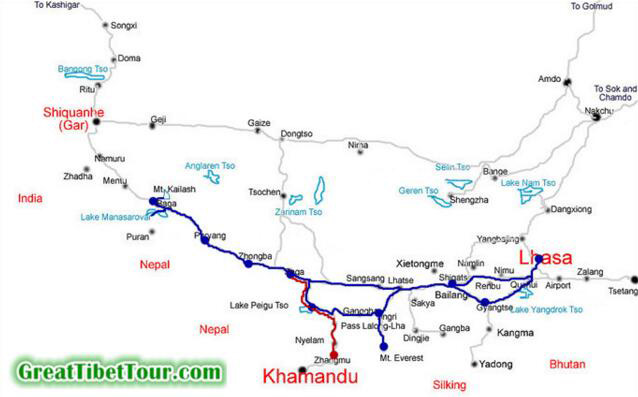
Route Map

Route map
💬 Inquire Now 🟠 Book Now