Island Peak Expedition: Tackling Nepal’s Most Popular Climbing Peak
Island Peak Expedition: Tackling Nepal’s Most Popular Climbing Peak
Nestled in the heart of the Khumbu region, Island Peak, also known as Imja Tse, stands at 6,189 meters (20,305 feet) and is one of the most popular trekking peaks in Nepal. With its breathtaking views, relatively accessible climbing routes, and a unique combination of trekking and mountaineering, it offers an unforgettable experience for adventurers of all skill levels. In this blog, we’ll explore the essentials of an Island Peak expedition, including preparation, the climbing experience, and tips for a successful ascent.
1. Why Choose Island Peak?
Island Peak is often considered a rite of passage for aspiring climbers. Its popularity stems from:
- Accessibility: The trek to Island Peak Base Camp is well-trodden, allowing trekkers to acclimatize and enjoy stunning landscapes along the way.
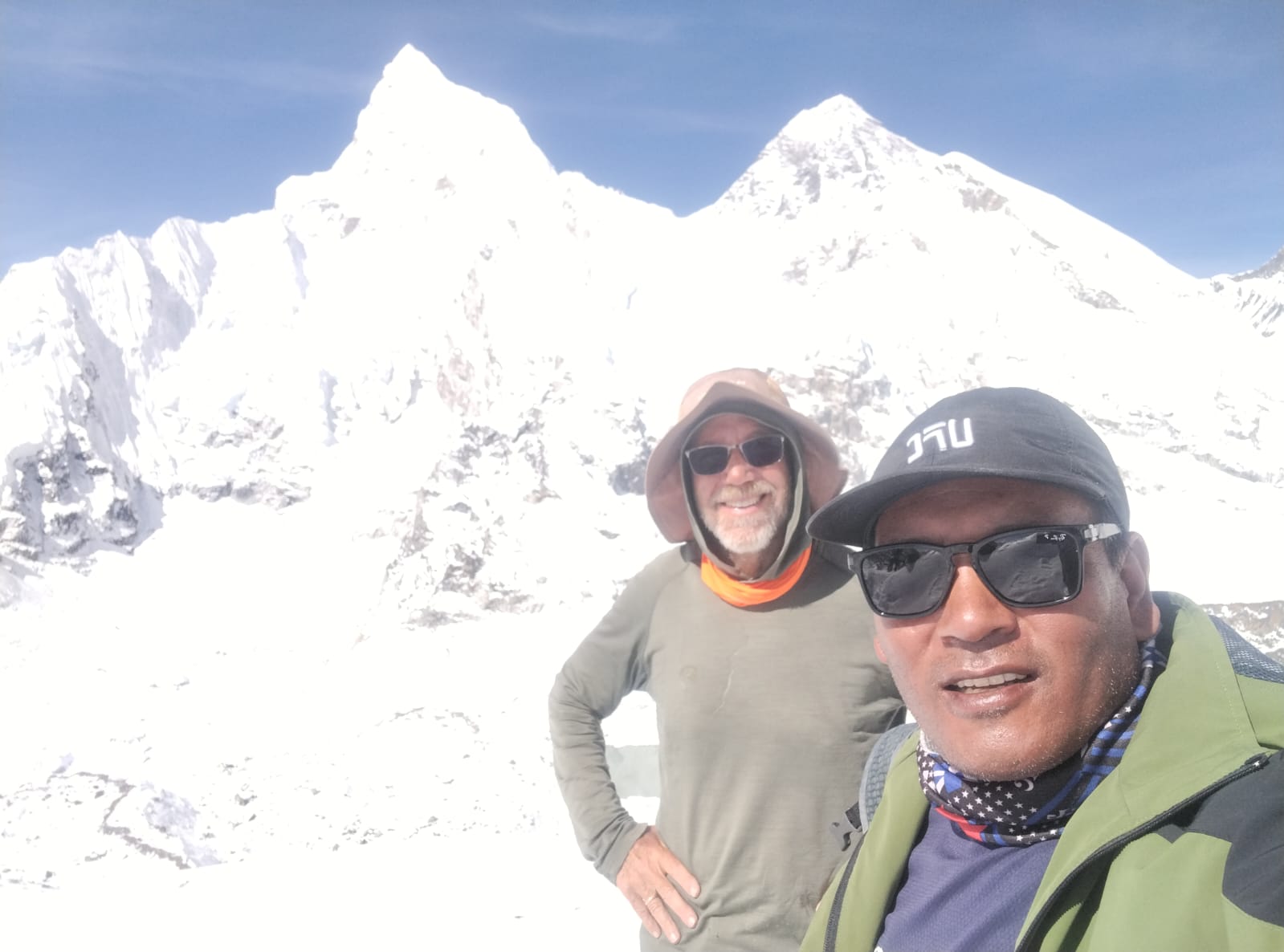
- Stunning Views: The summit offers panoramic views of the surrounding peaks, including Lhotse, Makalu, and the majestic Ama Dablam.
- A Balanced Challenge: While not technically difficult, it provides a challenging ascent that requires basic mountaineering skills, making it ideal for beginners.

2. Preparing for the Expedition
Fitness Training
Physical preparation is crucial for success. Focus on:
- Cardiovascular Fitness: Engage in activities like running, cycling, or swimming to build endurance.
- Strength Training: Incorporate exercises that strengthen your core, legs, and upper body.
- Hiking Practice: Regularly hike with a weighted backpack to simulate the trekking conditions.
Gear and Equipment
Investing in the right gear is essential for safety and comfort. Key items include:
- Climbing Gear: Crampons, ice axes, harnesses, and helmets (usually rented in Kathmandu).
- Clothing: Layered clothing, including base layers, insulated jackets, and waterproof outer layers.
- Footwear: Sturdy hiking boots and comfortable shoes for base camp.
3. The Expedition Itinerary
A typical Island Peak expedition lasts around 12-16 days, including acclimatization days. Here’s a sample itinerary:
- Day 1-2: Arrival in Kathmandu, preparation, and briefings.
- Day 3: Fly to Lukla and trek to Phakding (2,610 m).
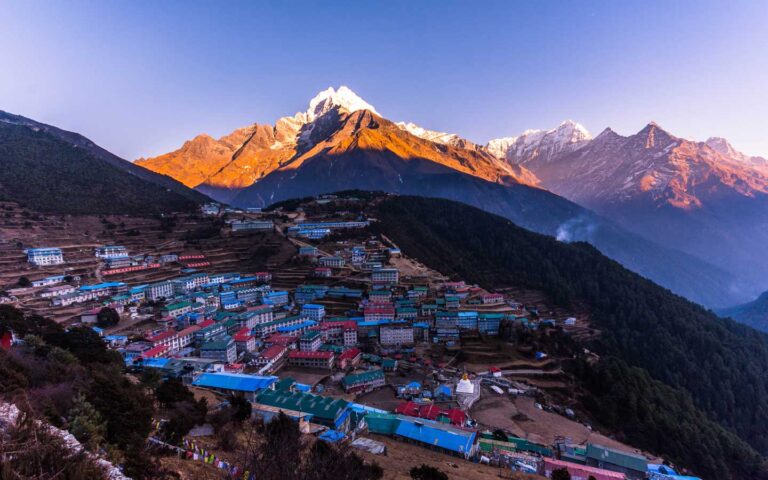
- Day 4: Trek to Namche Bazaar (3,440 m).
- Day 5: Acclimatization day in Namche; explore the local area.
- Day 6: Trek to Tengboche (3,860 m).
- Day 7: Trek to Dingboche (4,410 m).
- Day 8: Acclimatization day in Dingboche; hike to Chukhung (4,730 m).
- Day 9: Trek to Island Peak Base Camp (5,200 m).
- Day 10: Summit Island Peak (6,189 m) and return to Base Camp.
- Day 11-13: Descend to Namche and then Lukla.
- Day 14: Fly back to Kathmandu.
4. The Climb to the Summit
The ascent to the summit of Island Peak is typically made early in the morning to take advantage of stable weather conditions. The climb involves:
- Technical Sections: Expect to navigate a glacier and a steep headwall, where you will use fixed ropes.
- Summit Day: Start the ascent around midnight. The climb usually takes 6-8 hours to reach the summit, followed by a quicker descent to Base Camp.

5. Tips for a Successful Expedition
- Hydration and Nutrition: Stay hydrated and maintain energy levels with proper nutrition during the trek and climb.
- Listen to Your Body: Acclimatization is crucial. If you feel unwell, don’t hesitate to descend.
- Hire a Guide: Experienced guides can enhance your safety and provide invaluable insights into the climb.
- Mental Preparation: Stay positive and adaptable; the journey is just as important as the destination.
Conclusion
The Island Peak expedition is a remarkable adventure that combines the thrill of mountaineering with the beauty of the Himalayas. Whether you’re a novice climber or an experienced trekker, reaching the summit of Island Peak is an achievement that will remain etched in your memory forever. With the right preparation, guidance, and determination, you can tackle Nepal’s most popular climbing peak and create unforgettable memories in the heart of the Himalayas. Happy climbing!