Top 10 Safety Tips for the Manaslu Circuit Trek
April 21, 2026
by Mountain
3 min read
Table of Contents
Manaslu Circuit Trek: Top 10 Safety Tips
Embarking on the Manaslu Circuit Trek is an exhilarating adventure through one of Nepal’s most remote and pristine regions. However, the trek’s remote location and challenging terrain require careful preparation and safety awareness. To ensure a safe and enjoyable trek, follow these top 10 safety tips:
1. Prepare Adequately
- Physical Training: Prior to the trek, engage in cardiovascular exercises and strength training. Hiking in varied terrain will help build the necessary stamina and endurance.
- Gear Check: Ensure your trekking gear is suitable for high-altitude trekking. Essential items include a high-quality backpack, trekking poles, warm layers, and waterproof gear.

2. Acclimatize Properly
- Gradual Ascent: Follow the trek’s itinerary carefully to allow your body to acclimate to the altitude. The trek involves significant altitude gains, so take rest days as scheduled.
- Stay Hydrated: Drink plenty of water to help prevent altitude sickness. Proper hydration aids in acclimatization and overall well-being.
3. Watch for Altitude Sickness Symptoms
- Know the Signs: Symptoms of altitude sickness include headaches, dizziness, nausea, and shortness of breath. If symptoms persist or worsen, descend to a lower altitude immediately.
- Use Medication: Consider taking altitude sickness medication as a precaution. Consult with a healthcare professional before the trek to get appropriate advice.
4. Travel with a Reputable Guide
- Experienced Guides: Choose a trek with a reputable trekking company that provides experienced guides. Guides are crucial for navigation, safety, and providing local knowledge.
- Emergency Plans: Ensure your guide has a clear plan for emergencies and knows how to handle high-altitude sickness or other medical issues.
5. Follow Local Regulations
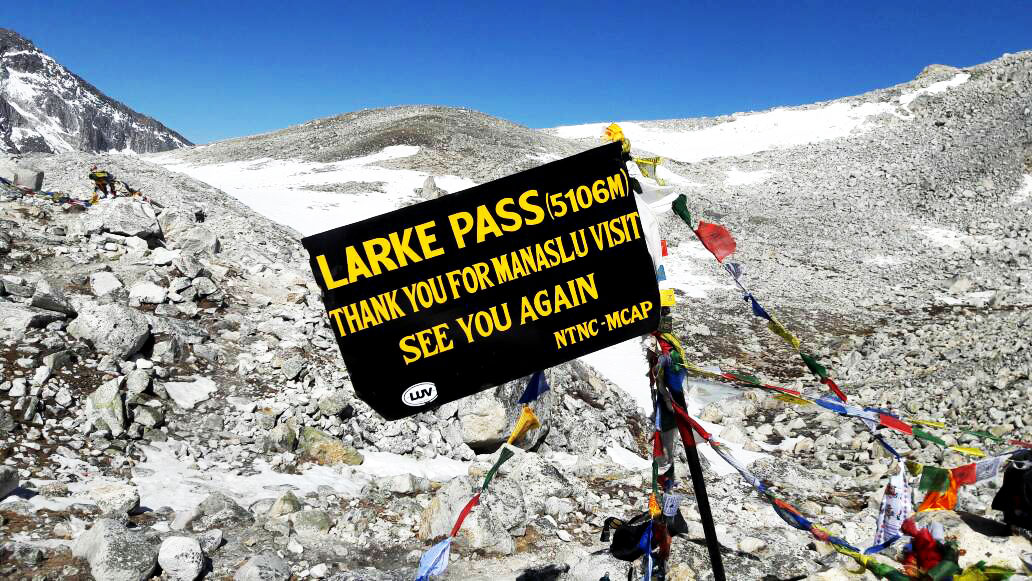
- Permits: Obtain the necessary permits for the Manaslu Circuit Trek. This includes the Manaslu Conservation Area Permit (MCAP) and the Annapurna Conservation Area Permit (ACAP).
- Respect Culture: Follow local customs and respect the cultural practices of the communities you encounter. Being respectful enhances your safety and fosters positive interactions.
6. Be Aware of Weather Conditions
- Check Forecasts: Weather in the Himalayas can change rapidly. Check forecasts regularly and be prepared for sudden changes in weather.
- Dress Appropriately: Layer your clothing to adapt to varying temperatures. Waterproof and windproof gear is essential for protection against the elements.
7. Pack Wisely
- Essential Items: Pack only the essentials to avoid carrying excess weight. Include a first-aid kit, personal medications, high-energy snacks, and a headlamp with extra batteries.
- Emergency Supplies: Carry a whistle, a multi-tool, and a portable power bank to ensure you can handle unexpected situations.
8. Maintain a Slow Pace
- Pace Yourself: Trek at a steady, manageable pace to avoid overexertion. Slow and steady helps with acclimatization and reduces the risk of accidents.
- Rest Regularly: Take frequent breaks to rest and enjoy the surroundings. This helps in maintaining energy levels and preventing fatigue.

9. Be Mindful of Wildlife
- Avoid Feeding Animals: Do not feed wildlife, as it can lead to aggressive behavior and dependency on humans. Keep your food securely stored to avoid attracting animals.
- Stay Alert: Be aware of your surroundings and avoid sudden movements. Wildlife encounters are rare, but it’s best to be prepared.
10. Emergency Contact and Communication
- Stay Connected: Ensure you have a reliable means of communication, such as a satellite phone or a local SIM card with data. Inform someone of your itinerary and expected return.
- Know Evacuation Routes: Familiarize yourself with the nearest evacuation points and emergency procedures. In case of serious issues, quick evacuation is crucial.
Conclusion
By following these safety tips, you can enhance your trekking experience on the Manaslu Circuit and ensure a safe and memorable adventure. Always prioritize safety, respect the environment, and enjoy the breathtaking beauty of this remote Himalayan trek. Happy trekking!