Top 10 Tips for a Successful Everest Base Camp Trek
Top 10 Tips for a Successful Everest Base Camp Trek
Embarking on the Everest Base Camp (EBC) trek is a dream for many adventurers. The allure of standing in the shadow of the world’s highest peak is irresistible, but the journey to get there is no walk in the park. To help you prepare for this once-in-a-lifetime adventure, here are the top 10 tips for a successful Everest Base Camp trek.

- Train and Prepare Physically
The Everest Base Camp trek is a physically demanding challenge that requires endurance, strength, and stamina. Start training at least three months before your trek. Focus on cardio exercises like running, cycling, and swimming, as well as strength training for your legs and core. Incorporating hikes with a backpack will also help simulate the conditions you’ll face on the trail.
- Acclimatize to the Altitude
Altitude sickness is a serious concern on the EBC trek. To minimize your risk, take your time to acclimatize. The general rule is to “climb high, sleep low,” meaning you should ascend slowly and take rest days to allow your body to adjust to the decreasing oxygen levels. Drink plenty of water, avoid alcohol, and listen to your body—if you experience severe symptoms, descend immediately.
- Pack the Right Gear
Your gear can make or break your trek. Invest in quality, lightweight equipment that can withstand the harsh conditions of the Himalayas. Essential items include a down jacket, thermal layers, moisture-wicking clothing, sturdy trekking boots, a good sleeping bag, and a reliable backpack. Don’t forget trekking poles, sunglasses, sunscreen, and a first aid kit.

- Choose the Right Trekking Season
The best time to trek to Everest base camp trek is during the pre-monsoon (March to May) and post-monsoon (September to November) seasons. During these periods, the weather is relatively stable, with clear skies offering stunning views of the mountains. Avoid the monsoon season (June to August) due to heavy rains and the winter months (December to February) due to extreme cold and snow.
- Hire a Knowledgeable Guide and Porter
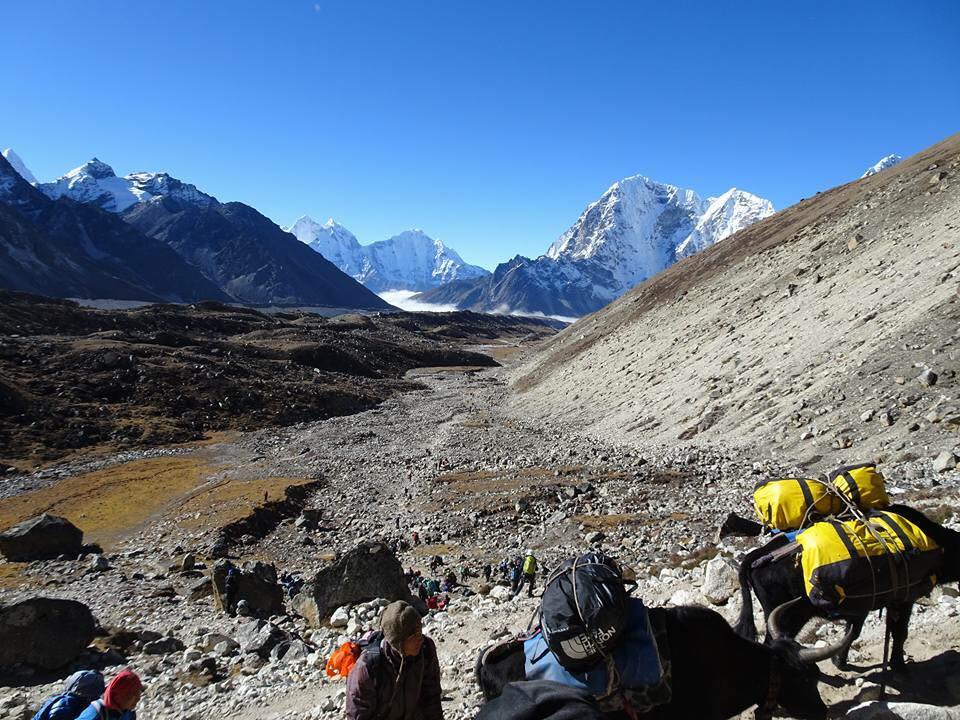
While it’s possible to trek independently, hiring a guide and porter can greatly enhance your experience. A knowledgeable guide will not only help with navigation but also provide insights into the local culture and environment. A porter will carry your heavy gear, allowing you to focus on enjoying the trek without being weighed down.
- Stay Hydrated and Eat Well
Proper hydration and nutrition are crucial for maintaining energy levels and preventing altitude sickness. Drink at least 3-4 liters of water daily, and carry water purification tablets or a filter. Eat high-energy, carbohydrate-rich foods like pasta, rice, and potatoes. Don’t skip meals, even if your appetite wanes at higher altitudes.
- Respect the Local Culture and Environment
The Everest region is not just a trekking destination; it’s a sacred place with rich cultural heritage. Show respect for the local Sherpa culture by learning a few basic phrases in Nepali, dressing modestly, and asking for permission before taking photos. Additionally, follow Leave No Trace principles by disposing of waste properly and minimizing your environmental impact.
- Be Mentally Prepared
The Everest base camp trek is as much a mental challenge as it is a physical one. The long days of trekking, cold temperatures, and the effects of altitude can take a toll on your morale. Stay positive, take it one step at a time, and remember why you embarked on this journey. Mental resilience is key to overcoming the toughest moments on the trail.
- Don’t Rush the Trek
One of the most important tips is to trek at your own pace. The altitude and terrain can be tough, and rushing can lead to exhaustion or altitude sickness. Listen to your body, take breaks when needed, and enjoy the journey rather than focusing solely on reaching the destination. Remember, it’s not a race.
- Enjoy the Journey
Finally, don’t forget to enjoy the incredible experience of trekking to Everest Base Camp. Take in the breathtaking views, connect with fellow trekkers, and immerse yourself in the beauty of the Himalayas. This is a journey of a lifetime—savor every moment.
- Be Prepared for All Weather Conditions
The weather in the Himalayas can be unpredictable, with sudden changes in temperature and conditions. Be prepared for anything from bright sunshine to snowstorms. Pack waterproof clothing, warm layers, and a good quality rain cover for your backpack. Being prepared for all weather scenarios will ensure your safety and comfort on the trek.
Conclusion
The Everest base camp trek is a challenging but rewarding adventure that requires thorough preparation and the right mindset. By following these top 10 tips, you’ll be well on your way to a successful and unforgettable journey to the foot of the world’s highest mountain. Happy trekking!