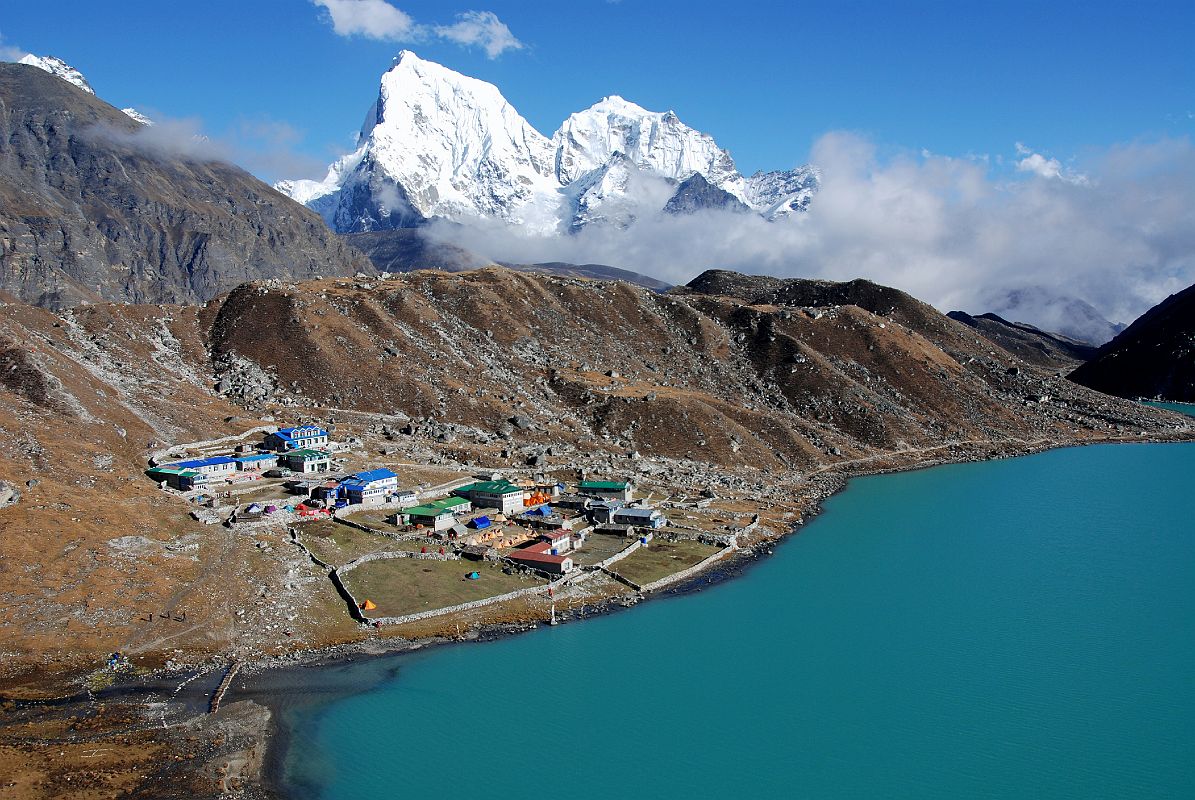
Everest Three Passes Trek: The Ultimate Himalayan Challenge
Everest Three Passes Trek: The Ultimate Himalayan Challenge
The Everest Three Passes Trek is the epitome of high-altitude adventure, combining the best elements of the Everest Base Camp trek with the thrill of crossing three of Nepal’s most challenging mountain passes. This trek offers unparalleled views, diverse landscapes, and a chance to experience the Sherpa culture in its purest form. Here’s why the Everest Three Passes Trek is the ultimate Himalayan challenge.
Overview of the Trek
The Everest Three Passes Trek is a circuit that typically takes 18-21 days to complete. The three passes—Kongma La (5,535m), Cho La (5,420m), and Renjo La (5,360m)—connect the valleys of the Khumbu region, leading trekkers through the heart of the Himalayas. The route covers the famous Everest Base Camp and Gokyo Lakes, making it a comprehensive and rewarding experience.

Why Choose the Everest Three Passes Trek?
- Breathtaking Scenery: The trek offers some of the most spectacular views in the Himalayas. You’ll witness panoramic vistas of towering peaks like Everest, Lhotse, Nuptse, Ama Dablam, and Makalu. The three passes themselves offer unique vantage points, each providing a different perspective of the Everest region.
- Challenge and Accomplishment: This trek is not for the faint-hearted. The high passes require physical fitness, stamina, and mental toughness. Successfully crossing all three passes is a monumental achievement that few can boast about. The sense of accomplishment you’ll feel after completing the trek is unmatched.
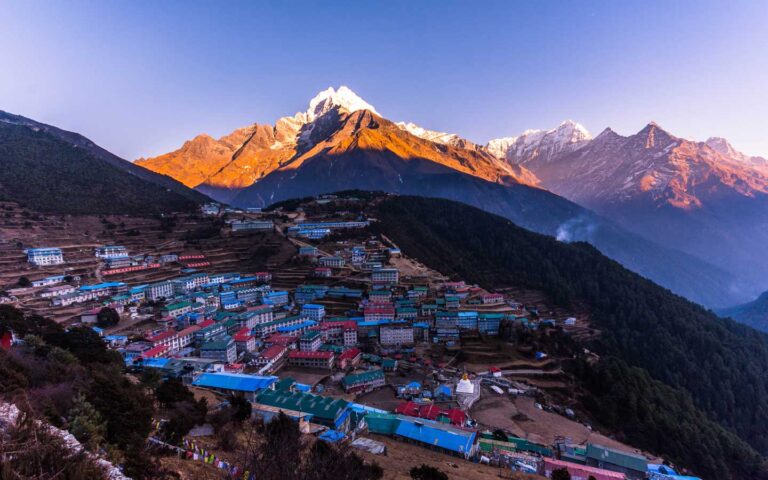
- Cultural Immersion: The trek takes you through remote Sherpa villages like Namche Bazaar, Thame, and Gokyo. You’ll have the opportunity to explore monasteries, interact with locals, and experience the unique culture and traditions of the Sherpa people.
- Diverse Landscapes: From lush green forests and terraced fields to barren high-altitude deserts and glacial lakes, the trek offers a diverse range of landscapes. The route is dotted with rhododendron forests, alpine meadows, and rugged mountain terrain.
- Less Crowded Routes: While the Everest Base Camp trek is incredibly popular, the Three Passes route is less crowded, allowing for a more peaceful and intimate trekking experience. You’ll be able to enjoy the natural beauty of the Himalayas without the hustle and bustle of large trekking groups.
-
3. Detailed Itinerary
- Day 1: Kathmandu to Lukla (2,860m) and trek to Phakding (2,610m)
- Day 2: Phakding to Namche Bazaar (3,440m)
- Day 3: Acclimatization day in Namche Bazaar
- Day 4: Namche Bazaar to Tengboche (3,860m)
- Day 5: Tengboche to Dingboche (4,410m)
- Day 6: Acclimatization day in Dingboche
- Day 7: Dingboche to Chhukung (4,730m)
- Day 8: Chhukung to Kongma La (5,535m) and Lobuche (4,940m)
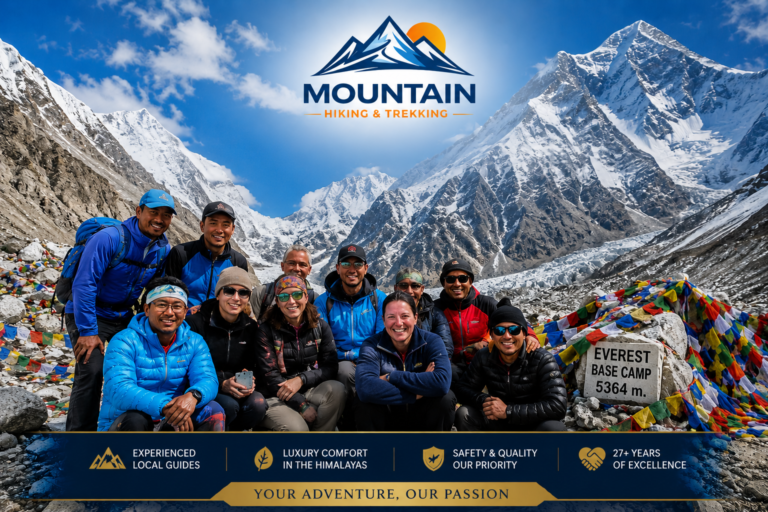
- Day 9: Lobuche to Everest Base Camp (5,364m) and back to Gorak Shep (5,164m)
- Day 10: Gorak Shep to Kala Patthar (5,545m) and trek to Dzongla (4,830m)
- Day 11: Dzongla to Cho La Pass (5,420m) and Gokyo (4,790m)
- Day 12: Rest day in Gokyo – Explore Gokyo Ri (5,357m)
- Day 13: Gokyo to Renjo La Pass (5,360m) and Marlung (4,210m)
- Day 14: Marlung to Namche Bazaar
- Day 15: Namche Bazaar to Lukla
- Day 16: Fly back to Kathmandu
4. Preparation and Fitness Requirements
The Everest Three Passes Trek is not for the faint-hearted. Proper physical preparation is essential to successfully complete the trek. Trekkers should engage in regular cardiovascular exercises, strength training, and altitude acclimatization hikes before embarking on this adventure. Experience in high-altitude trekking is highly recommended.
5. Best Time to Trek
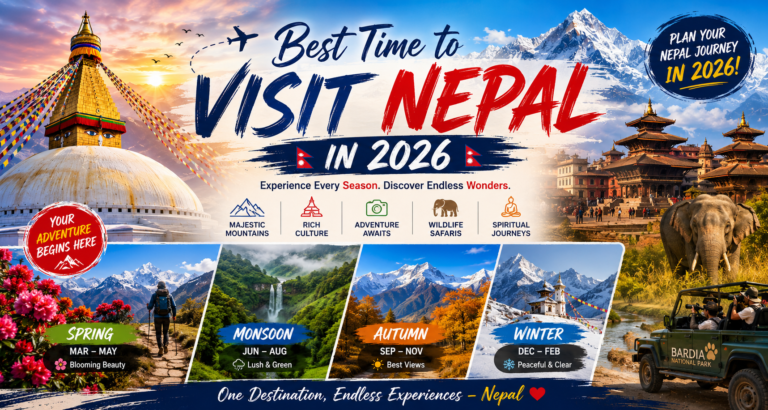
The best time to undertake the Everest Three Passes Trek is during the pre-monsoon (March to May) and post-monsoon (September to November) seasons. During these periods, the weather is generally stable, and the views are clear. The trails are also less likely to be snow-covered, making the passes more accessible.
6. Essential Packing List
- Clothing: Layered clothing system including thermal wear, fleece, down jacket, waterproof jacket and pants, and trekking boots.
- Gear: Trekking poles, headlamp, sunglasses, gloves, and a hat.
- Health and Safety: First aid kit, altitude sickness medication, water purification tablets, and sunscreen.
7. Challenges and Rewards
The Everest Three Passes Trek is a demanding trek that tests your physical and mental limits. The high-altitude passes, steep ascents, and long trekking days can be challenging. However, the sense of achievement, the jaw-dropping views, and the spiritual connection to the mountains make every step worthwhile.
8. Tips for a Successful Trek
- Acclimatize properly: Take your time to acclimatize at higher altitudes to avoid altitude sickness.
- Hydrate regularly: Drink plenty of water to stay hydrated, especially at higher altitudes.
- Pack wisely: Ensure you have all the necessary gear, but avoid overpacking to keep your load light.
- Hire a guide: A local guide can enhance your experience with their knowledge of the region, and they can help navigate the challenging terrain.
Best Time to Trek
The best time to undertake the Everest Three Passes Trek is during the pre-monsoon (March to May) and post-monsoon (late September to November) seasons. During these periods, the weather is stable, the skies are clear, and the views are at their best. Winter treks are possible but require additional preparation due to the harsh weather conditions and potential for snow on the passes.
What to Expect
- Altitude and Acclimatization: The trek reaches altitudes of over 5,500 meters, so proper acclimatization is crucial. The itinerary typically includes rest days in Namche Bazaar and Dingboche to help your body adjust to the altitude.
- Physical Fitness: This trek is rated as one of the most challenging in the Everest region. It requires a high level of fitness, with daily trekking times ranging from 6 to 8 hours. Training beforehand, including cardio and strength exercises, is essential.
- Accommodation and Meals: Teahouses along the route provide basic accommodation and meals. While facilities are more developed in popular areas like Namche Bazaar, expect simpler amenities in more remote locations.
- Permits and Guide: You’ll need the Sagarmatha National Park Permit and a TIMS card for this trek. Hiring a guide is highly recommended, especially for crossing the passes, as weather conditions can change rapidly.
Conclusion
The Everest Three Passes Trek is the ultimate test of endurance, offering an immersive experience in one of the most stunning landscapes on Earth. For those seeking adventure, challenge, and the opportunity to see the Everest region from every angle, this trek is unparalleled. Whether you’re a seasoned trekker or someone looking to push your limits, the Everest Three Passes Trek promises an unforgettable journey into the heart of the Himalayas.